
How To
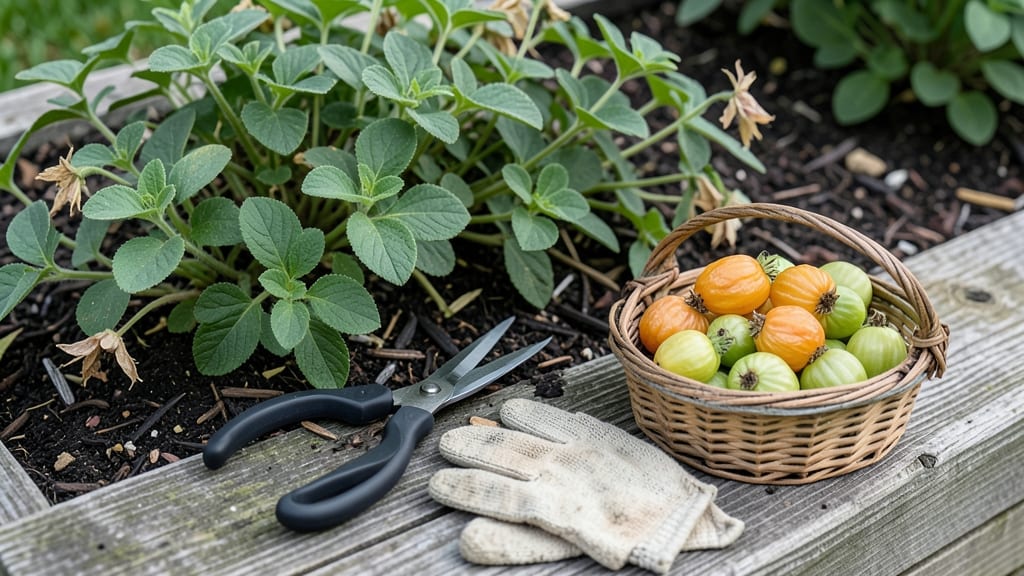
Harvesting ground cherries at the right time turns those golden lanterns 🍒 into sweet, juicy treats instead of bland or mealy disappointments.
You might think they’re ready when the pods turn yellow, but the true test is in the seed jiggle and skin texture—pick too early, and you’ll regret it with a sour bite.
From July to September, the window is tight, especially in USDA Zone 6a, where heat and humidity can push ripening faster than you expect.
Here’s how to spot the perfect moment—plus how to handle them once they’re off the vine to keep them fresh for days.


How to identify the perfect ripeness using pod color & seed tests
Ground cherries (Physalis pruinosa or Physalis ixocarpa) ripen in stages, and missing the optimal harvest window can mean the difference between sweet, tangy fruit and bland, mealy disappointments. The key lies in pod color shifts and seed tests—two foolproof methods to determine when your lantern-like fruits are ready.
I’ve learned that even a single day past peak ripeness can turn vibrant berries into mushy pulp, so timing is everything.
Most gardeners focus only on pod color, but the seed jiggle test and stem resistance are equally critical. For example, golden-yellow pods might look perfect, but if the seeds inside don’t jiggle slightly when shaken, the fruit is still maturing.
Regional climates also play a role—cooler zones (USDA 5-7) may need 2-3 extra weeks compared to warmer zones (USDA 8-10). Let’s break down the exact cues you need to watch for.
📌 Comparison Table: When to Harvest Ground Cherries by Ripeness Cues
The golden-yellow pods of varieties like Goldenberry signal peak ripeness, while orange-red varieties (e.g., Raspberry Ground Cherry) follow the same seed test rules. Pro tip: Shake a pod gently—if the seeds inside rattle like marbles, it’s harvest time.
I’ve found that morning harvests yield the sweetest fruit because nighttime humidity can accelerate overripening.
Regional variations matter, too. In cooler climates (USDA 5-7), ground cherries may take up to 90 days to ripen, while warmer zones (USDA 8-10) can harvest in as few as 60 days.
For example, my Pacific Northwest garden produces ripe fruit by mid-August, but a friend in Texas harvests as early as late June. Always adjust your timeline based on your local last frost date and summer heat.
One mistake I’ve seen gardeners make is harvesting based on pod color alone. A pod might look perfect, but if the stem snaps too easily, the fruit is overripe. Conversely, if the stem resists twisting, the fruit needs more time.
The seed jiggle test is your backup—it’s the most reliable way to confirm ripeness, especially in humid climates where pods can appear ripe but taste bland.
For container growers, ripeness cues are the same, but harvest frequency increases because space is limited. I recommend picking every 2-3 days once pods turn color to encourage more production.
Store unharvested fruit in a cool, dry place (like a garage) for 1-2 extra days if you’re unsure about ripeness, but don’t let them sit longer than that or they’ll spoil.
If you’re growing multiple varieties, keep a small notebook to track when each type ripens. For instance, Cape Gooseberry (Physalis peruviana) ripens faster than Husk Tomato (Physalis ixocarpa), so I label my plants to avoid mixing them up. This simple habit saves time and ensures
Common mistakes that ruin ground cherry flavor (and how to avoid them)
Harvesting ground cherries at the wrong time can turn your sweet, tangy treats into bland or even sour disappointments. The timing window is narrow, and missing it means sacrificing that perfect balance of flavors you worked so hard to grow.
Even experienced gardeners sometimes fall into these traps, so let's uncover the most common mistakes that ruin flavor—and how to sidestep them completely.
One of the biggest culprits is premature harvesting. Picking ground cherries too early—when they're still green or only partially colored—leads to a sour, underripe taste that's almost inedible.
These fruits need full maturity to develop their signature sweetness, so resist the urge to harvest just because the paper lanterns look ready. Patience here pays off in flavor.
On the flip side, overripe ground cherries become mushy and mealy, losing their vibrant texture and turning bitter. The skin softens, the flesh breaks down, and the seeds inside can even germinate if left too long on the vine.
This isn't just about taste—it's about wasting your harvest entirely. Knowing the exact signs of peak ripeness is your best defense against both extremes.
Ground cherries lose flavor fast—pick when:
- Pods turn golden-yellow (not orange-red)
- Paper lanterns feel slightly dry and papery
- Seeds jiggle when shaken gently
Environmental factors also play a sneaky role in ruining ground cherry flavor. Heat stress during hot summers can cause fruits to ripen too quickly, becoming overripe before you're ready to harvest. Similarly, high humidity levels can accelerate spoilage, leading to moldy or rotten fruit before it reaches peak sweetness.
If you're in a humid climate, monitor your plants closely and harvest more frequently to stay ahead of the problem.
Another mistake I see often is harvesting in the wrong weather. Picking ground cherries after a heavy rain or when the soil is waterlogged can damage the delicate paper lanterns, making them prone to cracking or splitting.
Always harvest on dry, sunny mornings when the fruits are firm and the stems are easy to twist off cleanly. This simple habit preserves both flavor and texture.
Finally, don't overlook the role of storage conditions after harvest. Ground cherries continue to ripen slightly even after picking, so storing them at room temperature for a day or two can improve flavor.
But if you're not using them immediately, refrigerate them in a paper bag to slow down the ripening process and prevent spoilage. Proper storage is the final step in preserving that perfect harvest flavor you've worked so hard to achieve.