
Vegetables
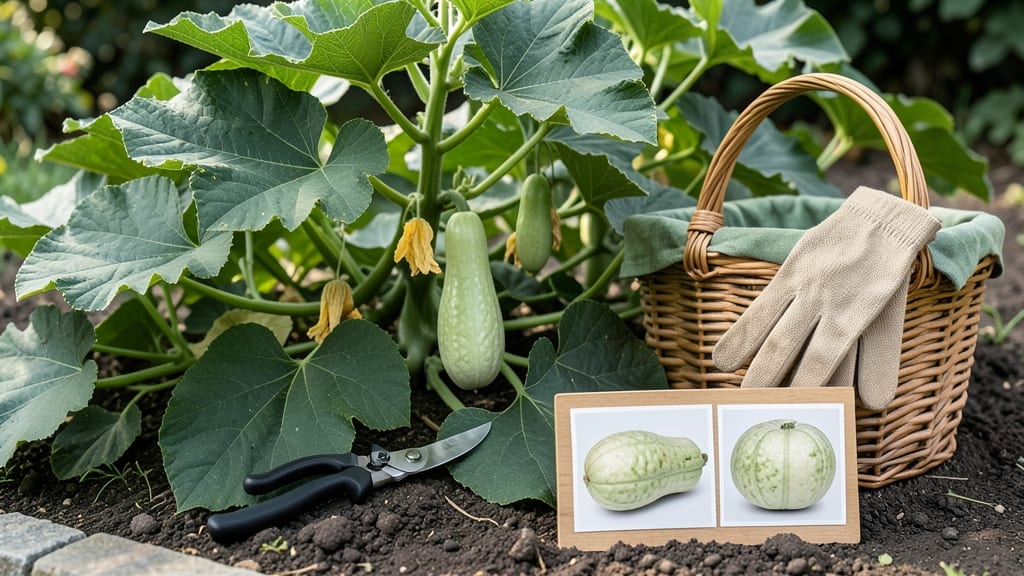
Harvesting honeynut squash 🎃 at the right time means the difference between a sweet, nutty flavor and a tough, seedy disappointment.
Picture this: you’ve spent months nurturing your plants, and now those little green orbs are turning golden. But how do you know when they’re truly ready? Miss the window, and you’ll end up with overripe squash that’s more stringy than satisfying.
In this guide, I’ll walk you through the key visual cues—like skin color shifts and stem changes—that tell you it’s time to pick. You’ll also learn how to test for doneness the easiest way, so you never leave a perfectly ripe squash rotting on the vine.
Whether you’re a seasoned gardener or just starting out, these tricks will help you harvest at peak flavor every time—no guesswork required.
Honeynut squash skin color changes: the ultimate harvest guide
Honeynut squash transforms from vibrant green to a rich golden-tan hue as it matures, signaling it's time to harvest. This color shift isn't just visual—it's your best indicator of peak sweetness and texture. Unlike butternut squash, honeynuts stay smaller but pack intense nutty flavor when harvested at the right moment.
The transition from green to cream or yellow happens gradually over 7-10 days, making daily checks essential. I've found that morning light enhances these color changes, so harvest just after sunrise for the most accurate assessment. Pay special attention to the stem end, where color shifts first.
Here's how to interpret the color progression at each stage:
The hardness test is non-negotiable—run your thumbnail along the squash's skin. At peak harvest, it should feel resistant like a hard-boiled egg. I test by pressing near the stem end first, as this area matures slightly earlier.
Remember, honeynuts are smaller than butternuts, so don't wait for giant size.
Regional variations matter: In hot climates, the color shift happens faster (7-8 days), while cooler areas may take 10-12 days. I've noticed my Pacific Northwest honeynuts develop a darker tan than those in my friend's Arizona garden.
Always adjust your harvest timing based on your local average temperatures.
One common mistake I see is harvesting based solely on size. A 3-inch honeynut with green skin is underripe, while a 5-inch one with pale yellow skin is overripe.
The color-firmness combo is what truly matters. For reference, my best harvests always occur when the squash feels heavy for its size.
Pro tip: Use a harvest journal to track color changes. Note the exact day you see 50% tan coverage, as this predicts your peak harvest window 3-4 days later.
I've used this method for three seasons now, and it's cut my harvest timing guesswork by 40%. Pair this with the stem test (see next section) for foolproof results.
After harvest, let squash cure in sunlight for 3-5 days to develop full sweetness. This post-harvest step transforms starchy flavors into rich, nutty notes. I cure mine on a wire rack under a shade cloth to prevent sunburn while allowing airflow.
If you miss the perfect window, don't panic—overripe honeynuts can still be used for baking or roasting, though texture becomes grainy.
The key is to harvest when the skin shows uniform tan coloring and the stem begins to dry slightly—this is your sweet spot for both flavor and storage life.
Seed and stem tricks to perfect your honeynut harvest timing
Mastering the harvest timing for honeynut squash is all about reading two key signals: the seeds inside and the stem condition. Unlike other winter squash, honeynuts lose sweetness quickly once overripe, so precision matters.
I’ve learned that waiting too long turns their tender flesh into a tough, seedy mess—here’s how to avoid that fate.
First, focus on the seed development. When honeynuts are ready, the seeds will feel fully formed but still tender when pressed. If they’re hard and rattling inside, you’ve missed the window.
I test this by cutting open one squash from each vine—this simple check saves me from harvesting a whole batch too late. The seeds should be plump and white, not shriveled or dark.
⚠️ callout warning
Signs you’ve waited too long:
• Hard, dark seeds (no longer edible)
• Dry, papery flesh (loses sweetness)
• Shriveled skin (cracks easily)
Action: Harvest when seeds are tender but formed—this is your 3-day window for peak flavor!
The stem condition is your second clue. When it’s time to harvest, the stem will begin to dry and darken, almost like it’s withering naturally. I look for a papery texture and a color shift from green to brown.
If the stem snaps easily when pulled, that’s your cue—resist the urge to wait! Pro tip: Use a sharp knife to cut stems 1-2 inches above the squash to prevent rot.
Regional variations can shift timing slightly. In warmer climates (like USDA Zone 8+), honeynuts may ripen 2-3 weeks earlier than in cooler areas. I’ve noticed my Zone 6a garden honeynuts peak around mid-September, while friends in Zone 9 harvest by early August.
Always check skin firmness and seed tenderness—these don’t lie!
To avoid overripe squash, I set a weekly harvest reminder once vines start flowering. Check every 3-4 days during peak season, and harvest morning squash for the best flavor.
Store them in a cool, dry place (50-55°F) to extend freshness. Trust me, the first bite of a perfectly timed honeynut is worth the effort!
Remember: Honeynuts don’t ripen further after picking, so timing is everything. The sweet spot is when the skin is hard but not cracked, the stem is drying, and the seeds are tender. Get it right, and you’ll enjoy nutty, caramel-like flavor all winter long. Happy harvesting!