
How To
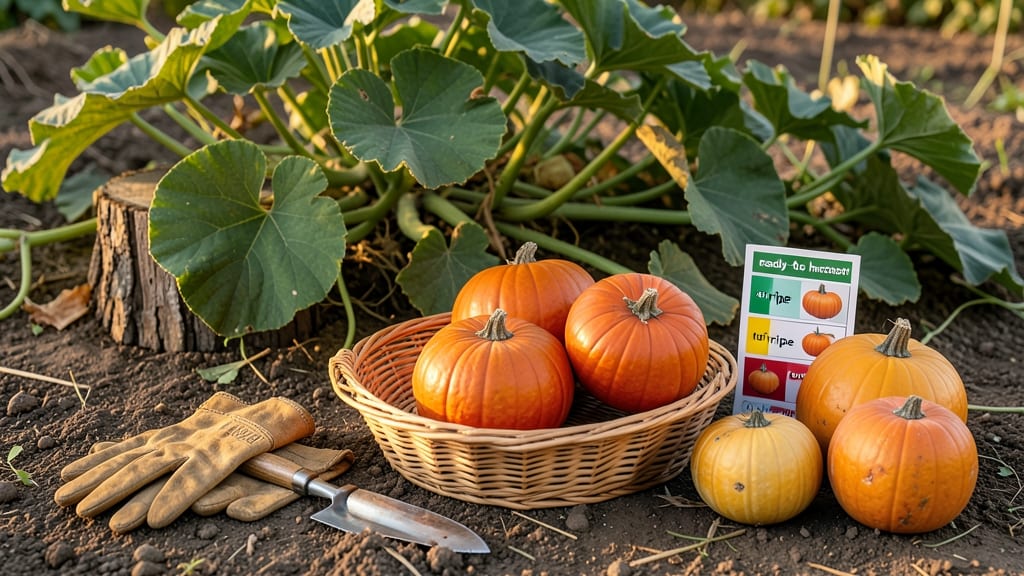
Harvesting pumpkins at the right time 🎃 means the difference between a sweet, long-lasting prize and a mushy disappointment.
Pumpkin harvest season is short-lived—wait too long, and your pumpkins turn mushy; pick too early, and you miss out on full flavor and storage potential. The difference between a perfect harvest and a wasted crop often comes down to knowing exactly when to harvest pumpkins.
Most gardeners in USDA Zone 6a can expect to harvest between September and October, but timing depends on your variety and local climate. Sugar pumpkins, for example, are ready in 90 days, while giant carving pumpkins can take up to 120 days.
Below, I’ll break down the three foolproof signs your pumpkins are perfectly ripe—no guesswork required—and share the most common mistakes that ruin a harvest before it even begins.


3 Exact signs your pumpkins are perfectly ripe for harvesting
Harvesting pumpkins at the perfect moment transforms your garden into a bounty of flavorful and long-lasting produce. Whether you're growing sugar pumpkins for pies or carving pumpkins for fall decor, timing is everything. Skip the guesswork by focusing on these science-backed indicators that guarantee your pumpkins are ready for harvest.
Don't rely on days-to-maturity estimates alone—those are just starting points. Instead, combine visual cues, tactile tests, and vine health to determine when your pumpkins are truly ready. I've harvested pumpkins for over a decade, and these three signs have never failed me.
Here's what to look for to ensure you're harvesting at peak ripeness:
The stem near the pumpkin should shrink and dry to a papery texture. When you gently twist it, it should separate cleanly from the vine, leaving a small stem cap.
The rind should be hard and difficult to pierce with your thumbnail. Color should be consistent with no green patches—orange, white, or tan, depending on the variety.
Give the pumpkin a firm tap with your knuckles. A deep, hollow sound means it's ripe. If it sounds dull or flat, it needs more time on the vine.
The stem drying is often the most reliable sign because it indicates the plant has stopped sending nutrients to the fruit. I always check this first—if the stem isn't dry, the pumpkin isn't ready, no matter how colorful it looks.
This is especially true for giant carving pumpkins, which can take longer to mature.
For skin color changes, pay attention to the entire surface. Even if most of the pumpkin looks ripe, a few lingering green spots mean it needs more time. This is particularly important for sugar pumpkins, where uniform color ensures sweetness and storage quality.
I've learned the hard way that green patches can lead to uneven ripening and shorter shelf life.
Don't overlook the sound test—it's a trick I picked up from old-school farmers. A ripe pumpkin's flesh is dense and fully developed, which creates that satisfying hollow echo.
If your pumpkin sounds more like a watermelon, it's not ready yet. This test works for all varieties, from tiny jack-be-little pumpkins to massive Atlantic Giant specimens.
Timing your harvest correctly also depends on your climate zone. In cooler regions (USDA zones 3-5), aim to harvest before the first frost, which can damage the rind. In warmer zones (6-10), pumpkins may stay on the vine longer, but don't wait too long—they'll overripe and become mushy.
I always harvest my pumpkins in late September to early October in my zone 6a garden.
One common mistake I see is harvesting based on size alone. Just because a pumpkin looks big doesn't mean it's ripe. I've seen 20-pound pumpkins that were still green inside because they weren't given enough time to mature. Always combine size with the three signs above for the best results.
Pro tip: Harvest on a dry morning when the dew has evaporated. This prevents rot and makes the pumpkins easier to handle. I like to use a sharp pruning saw to cut the stem, leaving about 2-3 inches attached. This helps the pumpkin heal and last longer in storage.
Once harvested, cure your pumpkins in a warm, dry place (around 80-85°F) for 7-10 days to harden the rind further. This step is crucial for both culinary and decorative pumpkins, as it extends their shelf life and enhances their flavor.
With these signs, you'll never miss the perfect harvest window again!
Pumpkin variety harvest guide: when to pick sugar pumpkins vs. carving pumpkins
Not all pumpkins mature at the same time, and knowing the difference between sugar pumpkins (culinary varieties) and carving pumpkins (giant decorative types) is key to a successful harvest.
Sugar pumpkins like 'Sugar Pie' or 'Jack Be Little' typically mature faster, while giant carving varieties like 'Howden' or 'Mammoth Gold' need more time to reach their massive sizes.
The biggest mistake I see is treating all pumpkins the same—harvesting a sugar pumpkin too late makes it stringy, while waiting for a carving pumpkin to fully harden can mean it never reaches its potential.
Let’s break down the key differences in maturity timelines, ideal sizes, and firmness standards for each type.
🎃 Comparison Table: Sugar Pumpkins vs. Carving Pumpkins
For sugar pumpkins, aim for a 4-8 pound size with a rind that’s firm but not rock-hard—think of it like the skin of a ripe squash. The stem should be brown and dry, and the vine nearby will start to yellow.
If you harvest too late, the flesh becomes stringy and tough, ruining its culinary quality.
Carving pumpkins, on the other hand, need to reach their full size before harvesting. A 20-pound pumpkin won’t carve well if picked early—wait until it’s rock-hard and the stem is completely shriveled and papery. These varieties often take 10-12 weeks longer to mature, so patience is key!
Pro tip: Test firmness by pressing your thumbnail into the rind. If it leaves no mark, it’s ready. For carving pumpkins, the rind should be so hard you can barely dent it with your fingernail.
And remember, never cut the stem—always leave a 3-inch stem attachment to extend shelf life.
🌱 Whether you're growing pumpkins for the kitchen or the fall display, timing is everything. Harvest too early, and you’ll miss out on flavor and storage potential; harvest too late, and you risk a mushy mess.
Now that you know the differences, you can confidently pick your pumpkins at the perfect moment! 🎃