
Vegetables
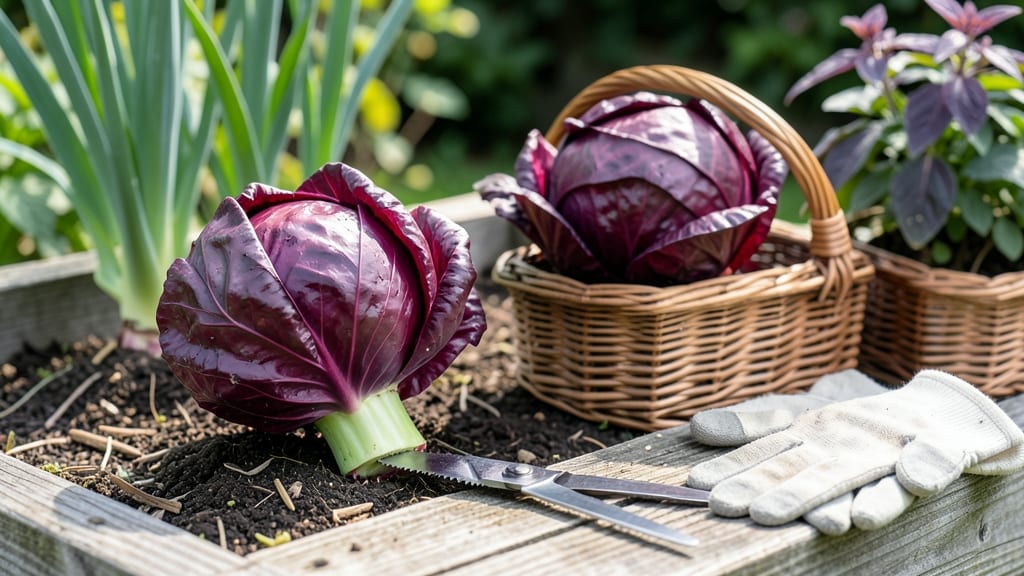
Harvest red cabbage when the heads reach 10-12 inches and the color shifts from deep purple to a vibrant crimson 🥬 — timing this perfectly ensures the crispest texture and sweetest flavor.
Picture this: you’ve nurtured your red cabbage all season, and now the moment of truth arrives. One wrong move, and you’re left with a head that’s either too small or woody. The good news? With the right cues, you can avoid this common mistake and enjoy peak harvests every time.
Beyond size and color, you’ll want to check for firmness and a clean stem snap—signs that your cabbage is ready to be picked. These visual and tactile clues are your secret weapon for knowing exactly when to harvest, whether you’re growing in Zone 6a or beyond.
In this guide, you’ll learn how to spot the perfect harvest window, extend your season, and store your cabbage like a pro. No more guesswork—just crisp, flavorful red cabbage straight from your garden.


How to identify red cabbage’s perfect harvest time using color and size
Harvesting red cabbage at the right moment transforms your garden into a flavor powerhouse. The key lies in watching for three critical visual cues: color intensity, head firmness, and size consistency. When these align, you’ve hit the sweet spot between crisp texture and peak nutritional value.
I’ve learned that ignoring these signs often leads to either underripe cabbages that lack sweetness or overripe ones that become tough and bitter.
Red cabbage starts as a deep purple hue but matures into a vibrant crimson when ready for harvest. This color shift isn’t just about aesthetics—it signals the cabbage’s sugar content has reached its peak.
Pair this with a compact head measuring 10-12 inches in diameter, and you’re on the right track. Seasonal timing also plays a role; spring-planted cabbages typically mature earlier than fall varieties, so adjust your expectations accordingly.
| Harvest Indicator | Ready Signs | Not Ready Signs |
|---|---|---|
| Color | Deep crimson/purple | Pale or inconsistent |
| Size | 10-12" diameter | Smaller than 8" |
| Firmness | Solid, compact head | Loose or spongy |
| Leaf Wrap | Tightly wrapped | Leaves spreading |
| Stem Test | Snaps cleanly | Bends or breaks |
The color transformation from deep purple to bright crimson is your first clue that the cabbage is nearing harvest. This shift occurs about 75-90 days after planting, depending on your climate.
In cooler regions like USDA Zone 6a, I’ve found that fall-planted cabbages often mature more slowly, so I extend my harvest window into early November.
The color change isn’t just about appearance—it’s a biological signal that the cabbage’s anthocyanin levels (the compounds responsible for its vibrant hues) are at their peak, which also means its antioxidants are maximized.
Size matters just as much as color. Aim for a head diameter of 10-12 inches—any smaller, and the cabbage may still be developing its full flavor profile. Larger heads can become woody and less tender.
To check, gently squeeze the head; it should feel firm and dense, not soft or hollow. I use a tape measure to track growth, marking the stem with a soft plant marker every few weeks to monitor progress without damaging the plant.
Seasonal variations can shift your harvest timeline by 2-4 weeks. Spring-planted cabbages typically mature in June or July, while fall varieties are ready by October or November.
In my garden, I’ve noticed that fall cabbages often develop a slightly deeper color due to cooler temperatures, which can enhance their sweetness. To extend your harvest season, consider planting a successive crop every 2-3 weeks—this staggered approach ensures a steady supply of fresh cabbages throughout the growing season.
Don’t overlook the leaf arrangement as a key indicator. When the outer leaves begin to tightly wrap around the head, it’s a clear sign of maturity. Loose or spreading leaves suggest the cabbage still needs time to develop.
I also perform a simple stem snap test: gently pull on the stem near the base. If it snaps cleanly, the cabbage is ready. If it bends or breaks, it’s not quite there yet. This test is especially useful when color and size are borderline.
One common mistake I see among gardeners is waiting too long to harvest. Overripe red cabbages develop a woody texture and bitter taste, making them less enjoyable to eat. To avoid this, I set a harvest deadline based on the cabbage’s growth rate.
For example, if a head reaches 12 inches but the leaves aren’t fully wrapped, I’ll harvest it anyway to prevent overmaturity. The trade-off is a slightly smaller cabbage, but it’s far better than a tough, inedible one.
For those in warmer climates, red cabbage may mature faster, so keep a close eye on your plants. In my experience, cabbages grown in Zone 8 or higher can be ready in as little as 60-70 days.
To compensate, I start with earlier-maturing varieties like ‘Ruby Streak’ or ‘Red Express’, which are bred for faster harvest times. Always check the seed packet for specific days-to-maturity estimates, as these can vary significantly between varieties.
Finally, remember that harvest timing affects storage life. Cabbages picked at peak ripeness store best, lasting 2-4 weeks in a cool, dark place. If you’re planning to store your harvest, prioritize cabbages that meet all the readiness criteria—color, size, and firmness—over those that are slightly under or overripe.
A well-timed harvest ensures you’ll enjoy your red cabbage’s crisp texture and bold flavor for weeks to come.
The crunch test and other tactics to avoid overripe or underripe red cabbage
Harvesting red cabbage at the perfect moment ensures maximum flavor and texture. Unlike some vegetables, red cabbage doesn’t soften dramatically when overripe, but it can develop bitter notes and lose its signature vibrant color.
The key lies in simple physical tests that reveal whether your cabbage is ready to be harvested or still needs time in the garden.
Start by examining the outer leaves. When ready, they should curl tightly around the head, forming a compact shape. Gently squeeze the head—it should feel firm, almost like a dense basketball.
If the leaves are still loose or the head feels soft, wait a few more days before checking again.
⚠️ callout warning
- Harvesting too early: Leads to small, underdeveloped heads with poor flavor.
- Ignoring color shifts: Pale or inconsistent hues signal underripe cabbage.
- Pulling by the leaves: Always cut the stem 1-2 inches above the base to prevent damage.
- Overlooking the crunch test: A dull thud means it’s past its prime.
Next, perform the stem snap test. Grasp the stem near the base and give it a gentle tug. If it snaps cleanly with minimal resistance, your cabbage is ready.
A stubborn stem indicates it needs more time, while a mushy feel signals overripeness. This test is especially useful for fall harvests when days grow shorter.
Don’t rely solely on size—while most red cabbages reach 10-12 inches in diameter at maturity, some varieties stay smaller. Instead, focus on the color intensity. A deep, uniform purple or red means peak sweetness. If the color fades or appears patchy, the cabbage hasn’t fully matured yet.
For continuous harvests, consider planting successive crops every 2 weeks. This ensures you’re always bringing in cabbage at its prime. Store freshly harvested heads in a cool, dark place (like a root cellar) to maintain crispness for up to 2 weeks.
Remember, red cabbage’s flavor peaks when harvested at the right moment. Mastering these simple tests—leaf curl, stem snap, and color depth—will transform your garden into a year-round supply of crisp, flavorful produce.