
How To
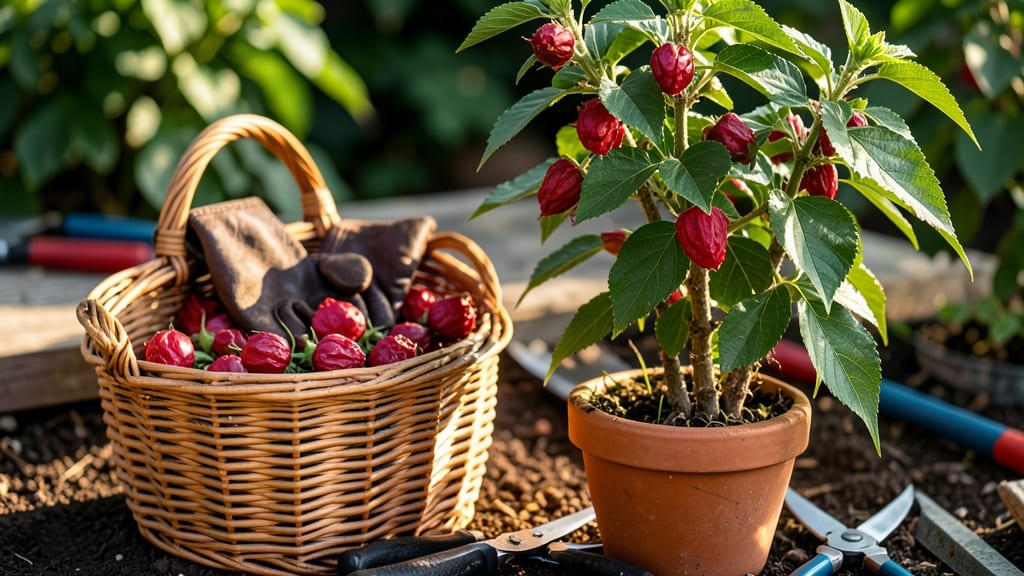
Harvest roselle calyx when the pods turn deep red or purple and feel firm to the touch—this ideal window ensures tart, flavorful results perfect for tea or cooking.
Picture this: you’ve nurtured your roselle 🌺 for months, only to pick pods that are either too bitter or already splitting open. The difference between a perfect harvest and wasted effort often comes down to timing—and a simple color shift and seed hardness test can save you from that disappointment.
In USDA Zone 6a, where spring planting kicks off in April, your roselle will be ready by late summer or early fall. But don’t wait until the first frost—harvesting too late means tougher pods and lost flavor.
Below, I’ll show you exactly how to spot the perfect moment, plus how to handle and store your harvest for the best results.
Whether you’re brewing roselle tea or adding it to stews, knowing these cues will transform your garden into a flavor-packed resource. Let’s dive into the visual and tactile clues that guarantee a successful harvest every time.


How to spot the perfect roselle calyx color for harvest
The roselle calyx transforms from vibrant green to a deep, rich hue as it ripens—this color shift is your first clue that harvest time is near.
In tropical climates like Florida or Hawaii, you’ll see this change as early as August, while subtropical regions like California may delay until October. Pay close attention to the uniformity of the color; patches of green signal underripe pods.
Sunlight exposure plays a critical role in ripening speed. Plants basking in 6+ hours of direct sun develop their final color 30-50% faster than those in partial shade. If your roselle is in a subtropical zone with milder summers, expect a more gradual transition—sometimes stretching over 4-6 weeks.
Observe how morning sunlight intensifies the red or purple tones, making them easier to spot.
For gardeners in USDA Zones 9-11, the ideal harvest window often aligns with late summer to early fall, when temperatures hover between 75°F and 85°F. Cooler mornings (below 65°F) can slow ripening, so monitor your plants daily.
If you notice darker streaks forming on the calyces, that’s a sign they’re nearing peak ripeness—don’t wait too long, or they’ll toughen up.
| Color Stage | Size (inches) | Firmness | Harvest Readiness | Climate Notes |
|---|---|---|---|---|
| Green with hints of red | 1.0–1.5 | Soft | Not ready | Early ripening in tropics |
| Pale red/pink | 1.5–2.0 | Slightly firm | Borderline | Subtropical zones |
| Deep red/purple | 2.0–3.0 | Firm | Perfect harvest | All climates |
| Dark purple with cracks | 3.0+ | Very firm | Overripe | Late-season only |
Regional variations matter—tropical climates (like Puerto Rico or Thailand) produce roselle calyces that ripen faster and darker, often reaching deep purple in under 120 days. Meanwhile, subtropical areas (e.g., Arizona or southern Spain) may take 150-180 days, with colors leaning toward muted reds.
If you’re in a cooler subtropical zone, like parts of Australia’s southern coast, expect a longer ripening period and monitor for paler hues.
One common mistake is harvesting based solely on color without checking the seed hardness. A deep red calyx might still feel soft if it’s been shaded or stressed by drought or pests.
Always pair color observation with a finger squeeze test—if the calyx resists gentle pressure but doesn’t feel rock-hard, it’s likely ready. Overripe calyces turn woody and split open, releasing seeds, so act quickly once you spot the ideal deep hue.
Morning sunlight enhances color vibrancy, making it the best time to inspect your roselle plants. The cool night temperatures in subtropical climates can also intensify the red/purple tones, so check your plants 2-3 hours after sunrise for the most accurate assessment.
If you’re in a humid tropical region, like the Caribbean, dew might temporarily dull the colors—wipe off moisture with a dry cloth before evaluating.
Pro tip: Use a small hand lens to inspect the calyx base for subtle color changes. Sometimes, the inner petals turn deep red 1-2 days before the outer layers, giving you an early warning.
This is especially useful in fast-ripening tropical varieties, where the window between perfect ripeness and overripe is just 24-48 hours. Keep a harvest journal to track color progression in your specific climate—this helps you predict future harvests more accurately.
For first-time growers, start harvesting a few calyces as soon as they turn mostly red to test flavor and texture. Underripe pods taste bitter and fibrous, while overripe ones become tough and seedy.
Aim for a balance of deep color and firmness—this combo guarantees the best tart-sweet flavor for teas, jams, or stews. If you’re growing roselle for drying, harvest at the peak deep purple stage to preserve maximum antioxidants.
Remember, sunlight is your ally in speeding up ripening. If your roselle isn’t coloring up quickly enough, consider pruning lower leaves to reduce shade and mulching with straw to retain soil warmth.
In subtropical zones with shorter daylight hours, supplement with a grow light for 2-3 hours in the evening to boost photosynthesis and color development. With these adjustments, you’ll spot the perfect harvest window like a pro.
Seed hardness test: the reliable method to confirm roselle ripeness
Even when roselle calyces look ripe with their deep red or purple hues, a seed hardness test ensures you're harvesting at peak flavor and texture. This simple pressure check reveals whether the seeds inside are firm enough for optimal use—whether for brewing tea, cooking, or drying.
Skipping this step often leads to bitter-tasting or overly fibrous pods, making the difference between a mediocre harvest and a bounty of nutrient-rich calyces.
Start by selecting a fully colored calyx that's at least 2-3 inches long. Gently pinch the base where the calyx meets the stem—this is where the seed firmness gives the most accurate reading.
The right amount of pressure will tell you whether it's time to harvest or wait a few more days for full ripeness.
⚠️ Harvest Too Early or Late?
Premature harvesting: Calyces that yield slightly under finger pressure (like a ripe tomato) are underripe. These taste bitter and lack the tart sweetness of fully mature pods. Overripe pods: If the calyx splits open on its own or feels hollow when squeezed, the seeds inside are overly hard and may have lost flavor. Aim for a firm but not rock-hard feel—like pressing a ripe avocado gently.
For the finger squeeze test, use your thumb and forefinger to apply moderate pressure to the calyx base. If it gives slightly but doesn't dent, it's ready. For a more precise check, use your thumbnail—press firmly into the calyx.
A ripe roselle should resist indentation without cracking. This method works best in morning hours when calyces are firmest due to cooler temperatures.
Troubleshooting premature hardening often starts with checking your plant's watering routine. Overly dry soil can cause calyces to harden too quickly, while excessive moisture may lead to soft, underdeveloped pods. Maintain consistent moisture—about 1-1.5 inches of water per week—and mulch around the base to retain humidity.
If your roselle plants are stressed from heat or pests, prioritize care before relying on the hardness test.
Once you've confirmed ripeness, harvest by twisting the calyx gently from the stem to avoid damaging the plant. Store freshly picked calyces in a paper bag in the fridge for up to 5 days or dry them in a well-ventilated area for long-term use.
Dried roselle calyces can be stored for up to a year, making this test worth mastering for year-round flavor.
Practice the seed hardness test on 2-3 calyces per plant to gauge ripeness across your harvest. Over time, you'll develop an instinct for the ideal texture, ensuring every batch of roselle you harvest delivers the best flavor profile for your recipes or teas. 🌺