
Vegetables
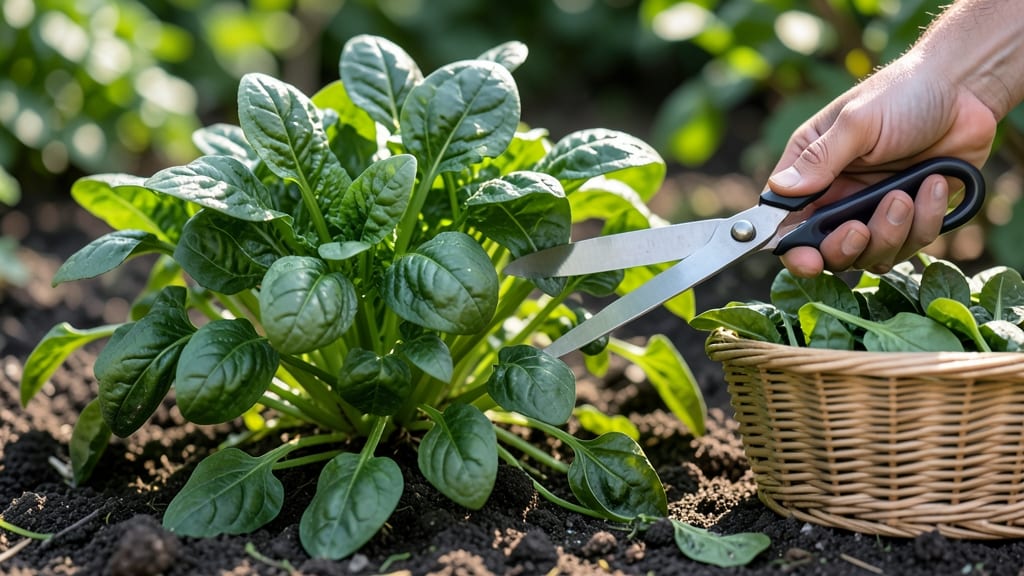
Harvesting spinach leaves at the right time means tender, bright green 🥬 greens packed with flavor—never bitter or tough.
Picture this: you’ve waited weeks for your spinach to grow, only to pull a leaf and find it woody or bolted. That’s the difference between a perfect harvest and wasted effort. The key? Knowing when those leaves are at their peak—before they turn stringy or flower.
Spinach thrives in cool weather, so timing matters even more. In Zone 6a, aim for early spring or fall when temperatures stay mild. Too hot, and the leaves bolt (go to seed) faster than you can say "sautéed greens." Too cold, and growth slows down.
Below, I’ll show you exactly how to spot the ideal harvest moment—leaf size, texture, and even the best tools to use—so you can keep picking fresh spinach all season long. No guesswork, just great-tasting greens.


How to identify perfect spinach harvest time by leaf size and texture
Knowing when to harvest spinach leaves is the secret to enjoying sweet, tender greens packed with nutrients. Unlike many vegetables, spinach doesn’t get sweeter as it matures—it becomes tough and bitter.
The key lies in watching for visual and tactile cues that signal peak harvest time, which typically falls between 30 to 60 days after planting, depending on your variety.
For baby spinach leaves, you can start harvesting as early as 30 days when leaves reach about 2-3 inches. These tender young leaves are perfect for salads and garnishes.
Meanwhile, mature spinach leaves should be harvested when they’re 4-6 inches long and fully developed, but before they bolt or develop flower stalks, which ruins the flavor.
Seasonal variations also play a role. In spring and fall, when temperatures are mild, spinach grows more slowly, and you’ll need to wait closer to 60 days for full-size leaves. During cool summer months in high-altitude regions, harvest times may shift earlier due to faster growth.
| Harvest Stage | Leaf Size | Texture | Color | Days to Harvest |
|---|---|---|---|---|
| Baby Leaves | 2-3 inches | Very tender | Bright green | 30-40 days |
| Mature Leaves | 4-6 inches | Tender but firm | Deep green | 45-60 days |
| Over-Mature | 6+ inches | Tough, woody | Yellowing | 60+ days |
A simple tenderness test is my go-to trick for determining harvest readiness. Gently pinch a leaf between your thumb and forefinger. If it feels soft and pliable—like a fresh lettuce leaf—it’s ready.
If the leaf resists slightly or feels crisp, wait a few more days. Over-mature leaves will snap easily and taste bitter, which is a clear sign you’ve missed the window.
Another critical cue is the plant’s growth stage. Spinach is a cool-season crop that bolts (goes to seed) when stressed by heat or long days. If you notice flower stalks emerging from the center of the plant, it’s too late for a quality harvest.
This usually happens when temperatures exceed 80°F (27°C) for extended periods, so plan your harvests during cooler parts of the day.
For continuous harvests, I recommend using the cut-and-come-again method. Instead of pulling entire plants, snip the outer leaves with clean scissors, leaving the inner leaves to regrow. This technique works best when leaves are 3-4 inches long and allows you to extend your harvest season by several weeks.
Just avoid removing more than 1/3 of the plant at once to prevent stress.
If you’re growing spinach for seed or saving plants for next year, let a few leaves mature fully and bolt. However, for table use, always prioritize harvesting when leaves are young and tender.
The earlier you harvest, the more tender and flavorful your spinach will be, so stay vigilant and check your plants regularly.
One final pro tip: Harvest in the morning after dew has dried but before the heat of the day sets in. This ensures your spinach stays crisp and retains its vibrant color.
Store harvested leaves in the fridge wrapped in a damp paper towel inside a plastic bag to keep them fresh for up to a week.
Mastering the art of spinach leaf harvesting takes practice, but once you recognize the signs, you’ll enjoy a steady supply of homegrown greens all season long. Start with baby leaves for quick wins, then graduate to full-size harvests as your plants mature—just don’t wait too long!
Spinach harvesting methods: cut-and-come-again vs. full harvest for larger leaves
Deciding when to harvest spinach leaves depends on your goals—whether you want continuous cut-and-come-again harvests or larger, mature leaves for cooking. Each method offers unique benefits, from extended yield to richer flavor profiles. Understanding these techniques helps maximize your spinach crop's potential while avoiding common pitfalls like bolting or bitterness.
The cut-and-come-again method involves harvesting outer leaves while leaving the inner growth intact. This approach is ideal for baby leaf varieties like 'Baby's Leaf Hybrid' or 'Tyee,' where tender, small leaves are prized.
By cutting leaves 1-2 inches above the base, you encourage regrowth, often yielding multiple harvests per season from a single plant.
When to Harvest Spinach Leaves: Pros & Cons
- ✅ Extended yield (3-5 harvests)
- ✅ Tender leaves ideal for salads
- ✅ Best for baby leaf varieties
- ✅ Larger, mature leaves (6+ inches)
- ✅ Rich, robust flavor for cooking
- ✅ Best for savoy varieties
For the full harvest method, wait until leaves reach 6-8 inches long and the plant is fully mature. This works best for savoy varieties like 'Bloomsdale Long Standing' or 'Giant Winter,' which develop thicker, more flavorful leaves.
Once harvested, the plant won’t regrow, so this method is best for late-season harvests or when you want larger leaves for sautéing or blanching.
Flavor is another key factor: cut-and-come-again leaves are milder and sweeter, perfect for raw salads, while fully mature leaves have a deeper, earthier taste suited for cooked dishes.
If you’re growing spinach for year-round harvests, the cut-and-come-again method is your best bet—just ensure you leave at least 3-4 inner leaves to keep the plant productive.
Timing matters too. Harvest in the morning after dew dries for the freshest, crispest leaves. Avoid harvesting during hot afternoons or after heavy rain, as this can stress the plant and reduce flavor quality.
For fall crops, prioritize full harvests before the first frost to enjoy spinach at its peak.
Experiment with both methods to see what works best for your spinach varieties and climate. If you’re short on space, the cut-and-come-again approach maximizes yield, while full harvests deliver premium-quality leaves for special meals.
Either way, proper timing ensures your spinach stays tender, flavorful, and ready to enjoy all season long. 🥬✂️