
Vegetables
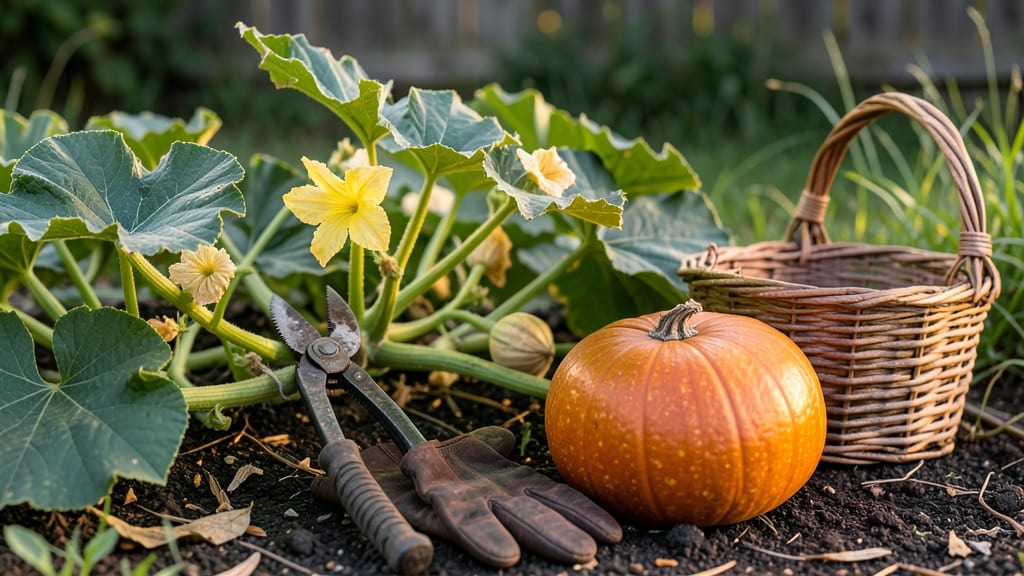
Harvesting winter squash 🎃 at the right time transforms a bland, tough fruit into a sweet, flavorful treasure—but many gardeners miss the subtle cues that signal readiness.
Picture this: You’ve waited months for your winter squash to mature, only to cut into it and find a mealy, watery mess. Or worse, you leave it on the vine too long, and the flavor fades into nothingness. The difference between these outcomes? Knowing exactly when to harvest.
In this guide, I’ll break down the two most reliable indicators—seed color shift and rind hardness—so you can pick your squash at peak perfection. We’ll also cover how to adjust for your region, avoid common mistakes, and store your harvest for months to come.
Whether you’re growing acorn, butternut, or pumpkin squash, these tips will ensure you never harvest too early or too late again. Let’s dive in.
How to identify winter squash harvest time using seed color & rind hardness
Harvesting winter squash at the perfect moment ensures maximum sweetness and storage potential. The two most reliable indicators—seed color and rind hardness—work together to signal readiness. Ignoring these cues often leads to tough, bland squash or wasted effort harvesting too early.
Most winter squash varieties shift from white seeds to brown or tan seeds when mature. This internal change happens just before the rind fully hardens. Pair this with a hard-as-rock rind that resists your fingernail, and you’ve got a winner ready for curing and storage.
Timing varies slightly by variety: acorn squash matures in 80–90 days, while butternut and pumpkin take 90–100 days. Regional climates also play a role—cooler areas may need extra weeks. Let’s break down the exact visual and tactile clues you need to watch for.
⚠️ CRITICAL INSIGHT: Harvesting too early means underdeveloped flavor and poor storage life. Waiting too long risks frost damage or rot. These two tests eliminate guesswork.
Start by cutting open a squash to check seed color. If the seeds are still white or pale yellow, wait 3–5 days and test again. This internal cue often appears 1–2 weeks before the rind fully hardens, giving you a head start.
For the rind hardness test, press your fingernail into the squash skin. If it doesn’t dent easily and feels like a hard plastic, it’s ready. Early-stage squash will yield slightly under pressure—a clear sign to wait.
Pro tip: Harvest in dry weather to prevent rot. Use a sharp knife or pruners to cut the stem, leaving a 1-inch stem attachment on the squash. This helps with curing and storage longevity.
Regional adjustments matter: Southern gardens may harvest earlier (late August) due to
Common mistakes that ruin winter squash harvest timing (and how to avoid them)
Harvesting winter squash at the wrong time can turn your hard work into tough, watery disappointment. Many gardeners overlook subtle clues that signal perfect ripeness—or worse, harvest too late when pests or frost take over.
I’ve seen butternut squash left on the vine until the rind cracked from frost, and acorn squash harvested too early with mealy flesh. These mistakes are avoidable with the right knowledge.
One of the biggest errors is relying solely on days to maturity listed on seed packets. While 80–100 days is the general range, environmental factors like temperature swings and humidity levels can delay or speed up ripening.
For example, a late summer heatwave might rush maturity, while cool, damp fall weather can stall it. Adjust your expectations based on your local climate patterns.
Another critical misstep is ignoring the stem’s condition. A green, plump stem means your squash isn’t ready, but a dried, woody stem signals it’s time to harvest. I once missed this cue with a pumpkin variety and ended up with a squash that was too fibrous.
Always check the stem—it’s your best indicator of readiness alongside rind hardness.
⚠️ Warning: Overripe vs. Underripe Squash
Overripe signs: Rind cracks, stem detaches easily, flesh turns stringy or hollow. Underripe signs: Soft rind, green stem, watery interior. Both ruin flavor and storage potential!
Humidity plays a sneaky role in harvest timing too. High humidity can soften the rind, making it seem underripe when it’s actually ready. In my Zone 6a garden, I’ve found that mornings with 70%+ humidity can trick me into harvesting too early.
Wait until late morning when the rind has dried slightly to test for hardness. A fingernail should not pierce the skin—if it does, give it another week.
Late-season gardens face unique challenges. If frost threatens before your squash matures, prioritize harvesting the largest, hardest ones first. Smaller squash can often wait a few days longer.
I’ve used row covers to extend the season by 2–3 weeks, but only if the squash shows other readiness signs like deep color and stem shrinkage. Never harvest just to beat frost—immature squash won’t store well.
Finally, don’t overlook the seed color inside the squash. Mature seeds turn from white to brown or tan. This internal cue is often forgotten but confirms ripeness. Cut a small slice near the stem to check—if the seeds are still white, your squash needs more time.
This simple test has saved me from harvesting premature squash more times than I can count.
By watching for these often-missed signs—stem condition, seed color, and environmental adjustments—you’ll harvest winter squash at peak flavor and texture. The key is patience and attention to detail, not just following a calendar. Your future soups and pies will thank you! 🎃