
Vegetables
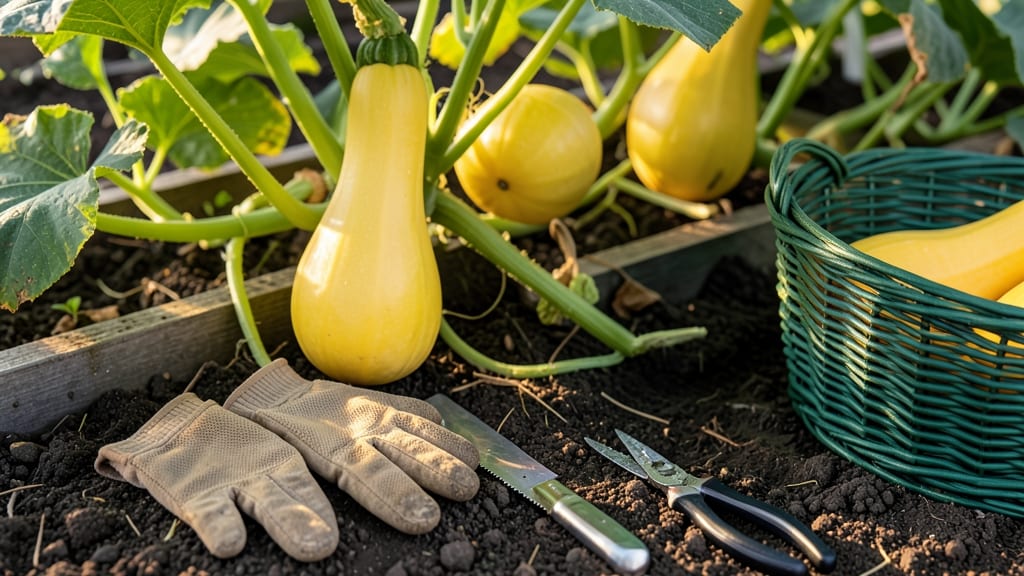
Harvesting yellow crookneck squash 🎃 at the right moment means the difference between a sweet, tender bite and a tough, seedy disappointment.
Most gardeners wait too long, missing the subtle cues that signal peak ripeness—like a color shift from pale green to deep yellow or a stem that snaps with a satisfying crack. These tricks aren’t just guesswork; they’re the key to unlocking flavor that lasts all season.
Below, I’ll walk you through the exact visual and tactile tests to use, from the thumbprint method to checking the neck for firmness. You’ll also learn how to adjust for early vs. late varieties and avoid the pitfalls of overripe squash.
Ready to turn your garden’s bounty into meals that taste like summer? Let’s get started.


How to identify perfect yellow crookneck squash harvest time by color and size
Yellow crookneck squash reaches its peak flavor when harvested at the right moment—6-8 inches long with a deep yellow color. The transition from green to yellow signals maturity, but timing is everything for that perfect balance of sweetness and firmness.
I’ve learned that even a day too early or late can change the texture and taste dramatically.
Start by checking the skin color. Immature squash often retains green patches, especially near the stem. When the entire surface turns a bright, even yellow, it’s a clear sign of readiness. However, don’t rely solely on color—size matters just as much.
For ideal harvest timing, aim for squash that measures 6-8 inches long and 2-3 inches wide at the neck. Smaller squash may still be developing their full flavor, while larger ones can become stringy or tough.
The neck should also be slightly swollen and firm—this is where the sweetest part of the squash forms.
Here’s a quick reference to help you spot the perfect harvest window:
| Harvest Cue | Description | Action |
|---|---|---|
| Color Shift | Uniform deep yellow (no green patches) | Harvest within 1-2 days |
| Size Range | 6-8 inches long, 2-3 inches wide | Check daily for rapid growth |
| Neck Firmness | Hard and slightly bulbous | Gently squeeze to test firmness |
| Stem Condition | Dries out and shrivels slightly | Use pruning shears to avoid damaging vines |
| Blossom End | Slightly hardened and dry | Avoid if soft or mushy |
Growing conditions can affect harvest timing, especially in hot or humid climates. If your squash matures faster due to heat, check for readiness every 2-3 days—they can go from perfect to overripe in a blink.
Conversely, in cooler weather, the color shift may take longer, so be patient and monitor size more closely.
One of my biggest mistakes was waiting for the squash to reach its maximum size before harvesting. By then, the flesh had turned stringy and tough, ruining the delicate flavor. Now, I prioritize color consistency and firmness over size, and the results are always sweeter and more tender.
For extra assurance, run your fingernail along the skin. If it leaves a deep scratch, the squash is still immature. When it barely makes a mark, you’ve hit the sweet spot. This simple test saves me from harvesting too early or too late every time.
Pro tip: Harvest in the morning after dew has dried. The skin is firmer, making it easier to handle without bruising. Store harvested squash in a cool, dry place (50-55°F) to preserve freshness for up to 2 weeks.
Mastering these visual cues ensures you’ll always enjoy yellow crookneck squash at its peak—sweet, tender, and bursting with flavor. Happy harvesting! 🌱🎃
The thumbprint test and other tactics to avoid overripe or underripe squash
Harvesting yellow crookneck squash at the perfect moment transforms a simple garden task into a flavorful victory. The thumbprint test is my go-to method for determining readiness—it’s quick, reliable, and requires no special tools.
Pair this with three additional visual and tactile cues, and you’ll never miss peak sweetness again.
Start by selecting a squash that’s 6-8 inches long with a deep yellow hue. This size range ensures optimal texture and flavor, but the real magic happens when you test its firmness.
A gentle thumbprint should leave only a minimal indentation—think of it like pressing your thumb into a ripe avocado.
⚠️ callout warning ⚠️
Harvesting too late causes bitter, stringy flesh and a watery texture. Look for these overripe signs:
- 🟡 Darkened, uneven yellow with green patches
- ⚖️ Deep thumbprint that doesn’t bounce back
- 🌾 Hollow-sounding when tapped (like a drum)
Pro Tip: If the blossom end (near the stem) turns dull and shriveled, harvest immediately—this is your last chance for prime quality!
Beyond the thumbprint, check the neck of the squash where it meets the vine. At peak ripeness, this area will feel slightly woody and the stem may begin to dry out.
This is nature’s way of telling you the squash is ready to be picked. If the stem snaps easily when bent, that’s another green light to harvest.
Listen for readiness too! Give the squash a light tap with your knuckles. A hollow, crisp sound means it’s perfect, while a dull thud signals overripeness. This sound test works especially well when you’re harvesting multiple squash at once—it’s a great way to batch-pick your crop efficiently.
Timing matters most in hot, dry climates, where squash can overripen quickly. In cooler weather, take your time—these squash mature more slowly. Always harvest in the morning when temperatures are mild, as this preserves their firmness and sweetness longer.
Once you’ve mastered these tactics, you’ll enjoy sweeter, firmer squash with every harvest. Store them in a cool, dry place (like a pantry) for up to 2 weeks, and you’ll have homegrown flavor all season long. Happy harvesting! 🎃