
Vegetables
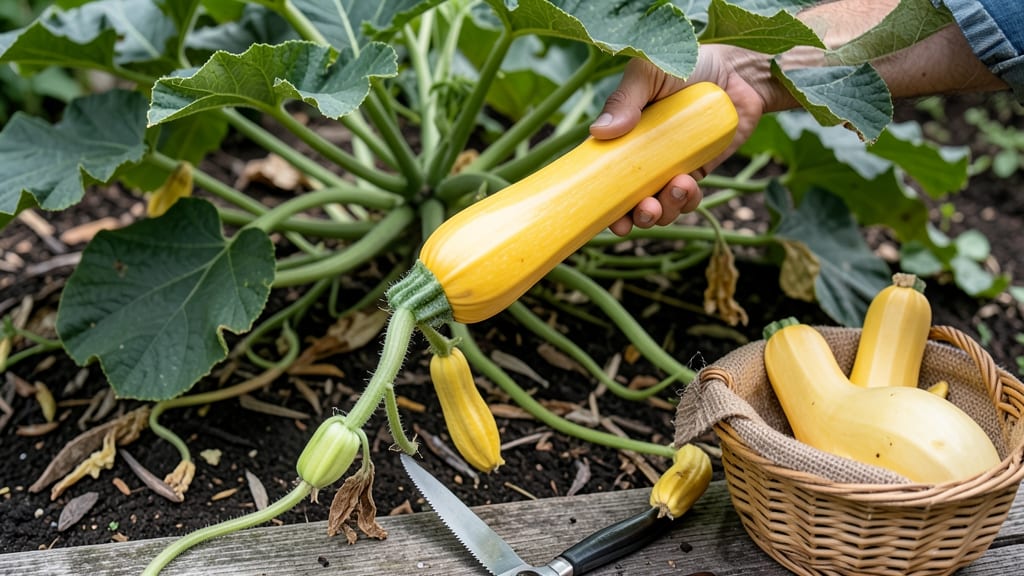
Harvesting yellow zucchini 🍆 at the right time turns a bland vegetable into a garden treasure packed with sweet, tender flavor—but timing is everything.
Picture this: you’ve nurtured your plants all season, only to pull a zucchini that’s either too small (underdeveloped) or too large (seedy and tough). The difference between these two fates comes down to three simple tactile tests that take just seconds to check.
Most gardeners wait until the zucchini is 8 inches long, but the true magic happens when the skin yields slightly to pressure and the stem snaps cleanly—signs that peak flavor is just a knife’s edge away.
Below, I’ll walk you through the exact size, texture, and color cues to harvest your yellow zucchini at its sweetest, plus how often to check plants to keep them producing all summer.
3 Tactile tests to harvest yellow zucchini at peak sweetness
Yellow zucchini reaches its peak flavor when harvested at the right moment—before seeds develop bitterness or the flesh turns stringy. Many gardeners struggle with timing, often waiting too long and ending up with oversized, tough-skinned squash.
The key lies in these three tactile tests, which use simple touch-based checks to determine perfect ripeness. These methods work for both yellow and green zucchini, though yellow varieties often ripen slightly faster.
Why rely on touch? Unlike visual cues that can be misleading, these tests measure internal maturity—the real indicator of sweetness and texture. When you master these, you’ll consistently harvest zucchini with tender flesh, minimal seeds, and that perfect nutty-sweet flavor.
Plus, these tests work even in low light or when color variations make visual judging difficult. Let’s dive into the science-backed methods that’ll transform your harvests.
- 1 Thumbnail Pressure Test: Press your thumbnail into the zucchini’s skin near the blossom end. If it leaves a slight indentation but doesn’t puncture, it’s ready. Too firm? Wait 1-2 days. Too soft? Harvest immediately to avoid overripeness.
- 2 Skin Thickness Check: Gently pinch the skin between your thumb and forefinger. Ideal zucchini should have skin that’s 1/8-inch thick—thin enough to feel slight resistance but not rock-hard. Thicker skin means it’s past its prime.
- 3 Stem Separation Test: Gently twist the zucchini at its stem attachment point. If it separates with a clean break and no resistance, it’s ready. If the stem pulls away easily but the zucchini itself feels hollow when tapped, it’s overripe. This test works best in morning hours when plants are hydrated.
I’ve found the thumbnail pressure test to be the most reliable, especially in humid climates where zucchini can ripen unevenly. Start testing when your zucchini reach about 5 inches in length, and check daily once they hit that size.
The skin should yield slightly to pressure but not give way completely—this balance is your sweet spot for flavor. Pro tip: Use your dominant hand’s thumbnail for consistency in pressure application.
For yellow zucchini varieties, watch for the skin to develop a deep, even yellow color combined with these tactile cues. Some yellow varieties like ‘Golden Zucchini’ or ‘Sunburst’ may ripen faster than green types, so don’t rely solely on color.
The tactile tests account for variations in sunlight exposure and soil moisture that can affect ripening speed. When all three tests pass simultaneously, that’s your harvest signal.
Harvesting at the right time isn’t just about flavor—it’s about encouraging plant productivity. Zucchini plants produce continuously when you remove fruit regularly. Waiting too long lets the plant focus energy on seed development rather than new flowers and fruit.
I’ve seen my zucchini plants produce 30% more when harvested at peak ripeness versus when left to overmature. The tactile tests help you stay ahead of this cycle.
What if your zucchini fails one test but passes others? Prioritize the stem separation test—it’s the most direct indicator of internal maturity. If the stem separates cleanly but the skin feels too thick, harvest it anyway.
The slight over-maturity is preferable to underripe zucchini, which lacks sweetness. Remember, these tests work best in morning sunlight when plants are fully hydrated and firmest.
For gardeners in hotter climates, these tactile tests become even more critical. High temperatures can cause zucchini to ripen rapidly, sometimes in just 24 hours. Check your plants daily during heatwaves and harvest immediately when any test shows readiness.
The same goes for container-grown zucchini, which often ripens faster due to limited root space. Container plants may need checking every 12-24 hours once they start flowering.
One common mistake is harvesting based on size alone. While 6-8 inches is the ideal length range, some compact varieties like ‘Eight Ball’ may be ready at just 4 inches. Always combine size with these tactile checks.
I once harvested a foot-long zucchini that passed all three tests—it was delicious but had developed some stringiness. The lesson? These tests trump size guidelines when they conflict.
Store harvested zucchini in a cool, dark place (like your fridge’s crisper drawer) for up to a week, but plan to use them within 3-4 days for peak flavor. The sooner you cook or preserve them after harvesting, the better they’ll taste.
For long-term storage, consider freezing or pickling—both methods preserve that just-harvested sweetness when done within 24 hours of picking.
Yellow zucchini size guide: what’s too early vs. too late
Harvesting yellow zucchini at the right size ensures tender, flavorful flesh without the bitterness of overripe seeds. The ideal harvest window falls between 6-8 inches long and 1.5-2 inches in diameter.
Anything smaller lacks full flavor, while larger zucchini become tough and seedy. Let’s break down the visual cues to avoid common mistakes.
Overly small zucchini (under 6 inches) often taste bland because their starches haven’t fully developed. On the flip side, waiting too long (beyond 8 inches) leads to hard, fibrous flesh and a mouthful of seeds.
The key is consistency—check your plants every 2-3 days during peak production to catch them at perfection.
🔍 Visual benchmark: A ripe yellow zucchini should have a deep, even yellow color with a slightly glossy skin. The blossom end (where it attached to the vine) should soften slightly when pressed with your thumbnail. Use these size and texture clues to guide your harvest timing.
For precise harvesting, use a sharp knife or pruning shears to cut zucchini from the vine, leaving a small stem attached. This prevents damage to the plant and encourages more fruit production. Avoid pulling zucchini off—the vine’s tender skin can tear, inviting pests and disease.
Pro tip: If your zucchini plants are producing faster than you can harvest, try thinning the vines by removing some flowers. This redirects energy to fewer fruits, ensuring each one reaches peak ripeness. Regular harvesting also prevents the plant from becoming overwhelmed, which can reduce overall yield quality.
🌱 Seasonal note: Early in the season, zucchini may grow slower due to cooler temperatures. Monitor their progress closely and adjust your harvesting schedule accordingly. In hotter months, growth accelerates—check plants daily to avoid missing the perfect window.