
Picking
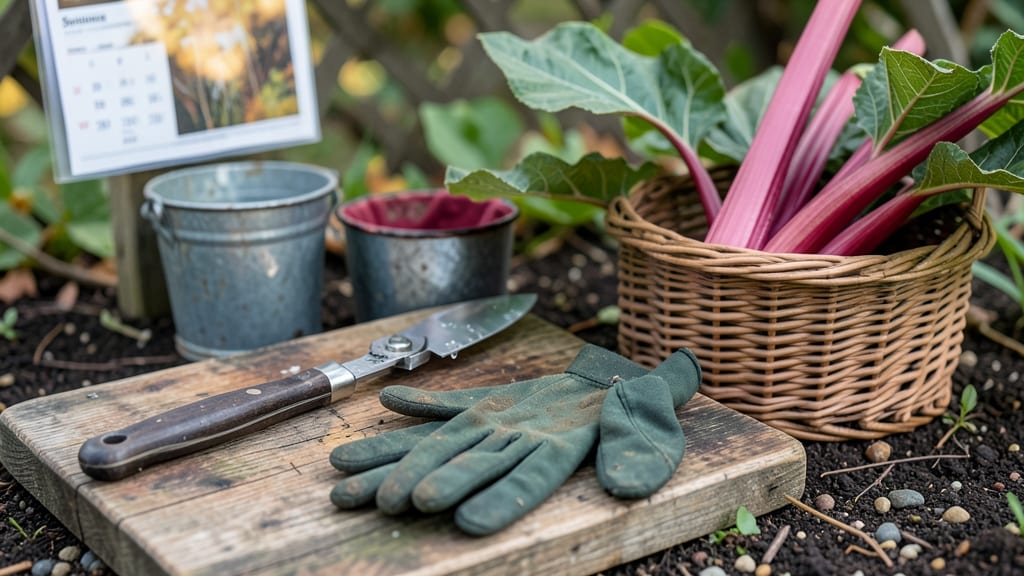
Harvesting rhubarb in September is possible in mild climates 🌱, but timing and technique matter to avoid damaging your plants before winter.
You might assume late-season harvests are risky, but with the right approach, September can actually extend your rhubarb's productivity without harming next year's crop. The key is knowing when to stop before frost sets in.
In USDA Zone 6a, where many gardeners grow rhubarb, September harvests work best if you focus on mature stalks and protect the crown from early frosts. This guide covers how to maximize yield while preparing your plants for dormancy.
Discover the best practices for late-season harvesting, including stalk selection, soil care, and protective measures to keep your rhubarb thriving through the cooler months.


When and how to harvest rhubarb in September without harming the plant
September can be a golden window for harvesting rhubarb, especially in mild climates where frost arrives late. Unlike early summer harvests, fall yields often produce sweeter, more tender stalks that thrive in cooler weather.
The key is timing—harvesting too late risks frost damage, while stopping too early means wasted potential.
Rhubarb plants are perennials, meaning they regrow each year, but they need proper care to replenish energy for winter dormancy. In September, focus on selective harvesting—never take more than one-third of the stalks at once. This ensures your plants store enough nutrients to survive the cold months ahead.
Before harvesting, check your local frost dates. In USDA Zone 6a, the first frost typically arrives by late October, but regions like the Pacific Northwest or Deep South may have extended harvest windows.
Plan to stop harvesting 4-6 weeks before the first expected frost to give your plants time to harden off.
Now, let’s address the most common question: Can I harvest rhubarb in September? The answer is a qualified yes, but with critical conditions. Below, we’ll cover the ideal harvest window, how to select the best stalks, and when to pull back to protect your plants.
⚠️ September Harvest Risks
Harvesting rhubarb too late in September can stress the plant and reduce next year’s yield. Frost-sensitive stalks may become mushy or discolored, and over-harvesting weakens the crown. Stop harvesting if temperatures drop below 40°F (4°C) at night, or if stalks show signs of freeze damage.
To harvest rhubarb in September, start by selecting mature stalks—those that are 10-12 inches long and at least ½-inch thick. Use a sharp knife or pruners to cut stalks at the base, leaving the leaf crown intact.
This method minimizes damage to the plant’s energy reserves and encourages new growth next spring.
Avoid harvesting young or thin stalks, as these won’t have developed enough nutrients. Also, never pull stalks from the ground—this can uproot the plant or damage the crown. Instead, twist gently if cutting isn’t an option, but always prioritize clean cuts to prevent disease.
If you’re in a warmer climate (like Zone 8 or higher), you might extend harvesting into early October. However, monitor weather forecasts and stop if frost is predicted within 7-10 days. In colder regions, halt harvesting by mid-September to allow the plant to enter dormancy safely.
After your final September harvest, clean up debris around the plant to reduce pest and disease risks over winter. Apply a 2-3 inch layer of mulch (like straw or shredded leaves) to insulate the crown and retain moisture.
This step is critical for survival, especially in areas with freezing temperatures.
One common mistake is fertilizing rhubarb in late September. Since the plant is preparing for dormancy, new growth stimulated by fertilizer will weaken before winter. Skip fertilizing entirely in fall months and resume in early spring instead.
With the right approach, September can be a productive harvest month for rhubarb. By selecting stalks carefully, avoiding late-season risks, and preparing for winter, you’ll ensure your plants thrive for years to come—not just this fall. 🌱
Late-season rhubarb care: how to maximize yield before winter
September can still be a productive month for your rhubarb plants if you take the right steps. With cooler temperatures and shorter days, your plants may slow down—but they’re not ready to retire just yet.
By focusing on soil health, watering strategies, and protective measures, you can coax one last harvest before winter sets in. The key is balancing care to keep your rhubarb strong while preparing it for dormancy.
One of the biggest mistakes gardeners make in late summer is over-fertilizing or harvesting too aggressively. Both can stress your plants and leave them vulnerable to frost. Instead, shift your focus to nutrient retention and protective layering.
This approach ensures your rhubarb stays productive while building resilience for next year’s growth. Let’s break down the essential steps to extend your harvest season safely.
- 1 Test soil nutrients in early September. Use a soil test kit to check pH and nutrient levels. Rhubarb thrives in slightly acidic soil (pH 6.0-6.8). If levels are low, add a balanced fertilizer (10-10-10) in late August to give roots time to absorb nutrients before harvest.
- 2 Reduce watering frequency but increase depth. Water deeply once a week (or bi-weekly in dry climates) to encourage root growth. Avoid overhead watering to prevent leaf diseases like rust, which thrive in damp conditions. Water at soil level in the morning to minimize evaporation.
- 3 Mulch heavily with straw or shredded leaves (4-6 inches thick) to insulate roots and retain moisture. This also suppresses weeds and regulates soil temperature. Avoid using fresh grass clippings, which can mat down and trap moisture, inviting rot.
- 4 Harvest selectively in September. Only pick mature stalks (10-12 inches long) and leave at least 3-4 stalks per plant to sustain energy reserves. Avoid harvesting young or thin stalks, as they’re critical for next year’s growth. Stop harvesting 4-6 weeks before first frost to allow plants to harden off.
- 5 Protect from early frosts with frost cloth or row covers if temperatures dip below 25°F. Secure the cover loosely to allow airflow and remove it during the day if temperatures rise. This prevents crown damage while letting your plants acclimate to cooler weather.
If you’re in a mild climate (USDA Zones 7-10), you might even squeeze out a small harvest in early October. Look for stalks that are still firm and vibrant—these are your best candidates.
In colder regions, focus on preparing for dormancy rather than harvesting. The goal is to keep your rhubarb healthy enough to bounce back in spring.
One often-overlooked tip is to prune damaged leaves in late September. Remove any yellowed or frosted leaves to redirect the plant’s energy toward root development. Use clean, sharp pruning shears to avoid tearing the foliage.
This simple step can make a big difference in how well your rhubarb survives the winter months.
By following these steps, you’ll not only extend your September harvest but also set the stage for a stronger, more productive rhubarb plant next year. The effort you put in now will pay off with bigger yields and healthier growth in the seasons ahead. Happy gardening!