
Advice
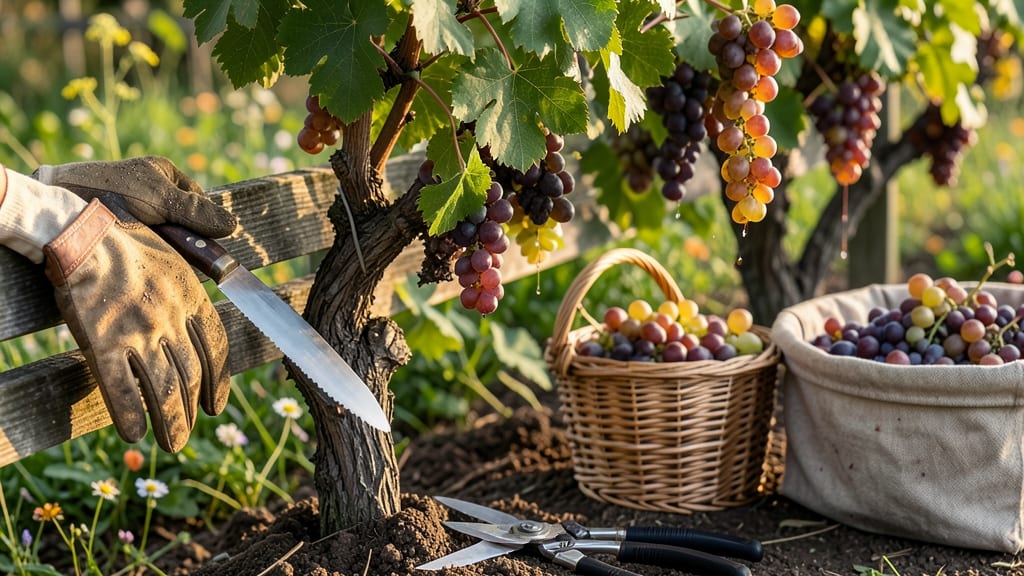
Harvesting grapes at the perfect time during the grape harvest season means the difference between sweet, flavorful fruit and tart, underripe clusters that’ll leave your kitchen table — or your wine barrel — disappointed.
Picture this: You’ve spent months tending to your 🍇 grape vines, pruning, fertilizing, and watering just right. Now, the moment has arrived — but how do you know when those grapes are truly ready?
Picking too soon means mealy, sour fruit, while waiting too long can turn them mushy or attract pests. The clock is ticking, and the stakes couldn’t be higher.
Lucky for you, the grape harvest season isn’t a one-size-fits-all timeline. Whether you’re in the sun-drenched vineyards of California or the cooler climates of the Pacific Northwest, the exact window matters.
In this guide, I’ll break down the month-by-month harvest cues, from color changes to sugar tests, so you never miss the sweet spot — or worse, the sour one.
From home gardeners to small-scale winemakers, you’ll learn how to spot the perfect moment, the best tools to use, and even how to store your harvest for months of enjoyment. Let’s get those grapes off the vine at their peak!


Grape harvest season timeline by U.s. growing regions
Timing your grape harvest correctly depends entirely on where you live in the U.S. Coastal regions like Napa Valley enjoy extended growing seasons, while Midwestern areas face shorter windows due to early frosts. Understanding these regional differences ensures you capture peak flavor and sugar content before cold weather sets in.
Climate plays a huge role—dry heat in the Southwest speeds ripening, while humid summers in the Southeast can delay harvests. Even elevation changes within a region (like mountain vineyards) shift timelines by weeks. Let’s break down the exact month-by-month harvest windows for America’s top grape-growing areas.
Pro Tip: Always check berry color, seed darkness, and sugar levels (using a refractometer) alongside these regional guides—nature’s calendar sometimes overrides general rules.
| Region | Primary Varieties | Harvest Window | Key Climate Factors | Ripening Indicators |
|---|---|---|---|---|
| Napa Valley, CA | Cabernet Sauvignon, Chardonnay, Zinfandel | Late August - October | Mediterranean climate, warm days, cool nights | Deep purple/red hues, 22-24° Brix, seeds fully brown |
| Pacific Northwest (WA/OR) | Pinot Noir, Riesling, Merlot | Mid-September - October | Marine influence, cooler summers, high rainfall | Moderate sugar (20-22° Brix), firm skins |
| Southeast (GA/NC) | Muscadine, Scuppernong, Cabernet Franc | Late September - November | Humid subtropical, hot summers, delayed ripening | Thick skins, 18-20° Brix, tart-sweet balance |
| Midwest (MI/OH) | Concord, Niagara, Traminette | Mid-September - Early October | Continental climate, early frosts, shorter season | Bright colors, 16-18° Brix, easy detachment |
In Napa Valley, grapes often ripen earliest due to the region’s perfect balance of sun and cooling ocean breezes. Cabernet Sauvignon here typically peaks in late September, while Zinfandel may linger until October’s first frost threat.
The Pacific Northwest, however, plays it cooler—literally—with harvests stretching into October to avoid rain-diluted sugars.
For Southeast growers, patience is key. The region’s humidity and heat can delay ripening until November, especially for Muscadine grapes. These varieties thrive on thick skins that resist rot, but their lower sugar content means they’re best for fresh eating or jellies rather than wine.
Midwest harvests are the most time-sensitive. A single unexpected frost can ruin weeks of growth, so local wineries often harvest Concord grapes by early October—even if they’re not fully sugar-loaded. The trade-off? Brighter flavors and higher acidity that work perfectly for juices and jams.
Don’t let these regional averages fool you—always monitor your own vineyard microclimate. A south-facing slope in the Midwest might ripen grapes 2 weeks earlier than flatland vines. Keep a harvest journal to track temperature shifts, rainfall patterns, and berry development year over year.
One critical mistake I see often? Harvesting based solely on color. Some green grapes (like Thompson Seedless) stay pale even when fully ripe, while red varieties can appear perfect but taste underripe. Always test sugar levels with a refractometer—it’s the most reliable ripeness indicator.
If you’re in a transition zone (like northern California or southern Oregon), consider early-ripening varieties like Riesling or Sauvignon Blanc to hedge against late-season rains. For late harvests, drought-resistant varieties like Tempranillo can extend your window by 10-14 days.
Remember: The best grapes aren’t always the sweetest. Balanced acidity and flavor complexity matter just as much. In Napa, that might mean waiting for 24° Brix and tannin development, while in Michigan, 16° Brix with bright fruit notes could be ideal.
How to determine when your grapes are truly ready for harvest
Knowing exactly when to harvest your grapes can make the difference between sweet, flavorful fruit and tart, underripe clusters. Unlike many fruits, grapes don't all ripen at once, so you'll need to check them regularly.
The key is combining visual cues with simple tests to confirm ripeness. For home growers, this means checking color changes, sugar levels, and seed development—all while keeping an eye on your local climate.
First, understand that grape varieties ripen at different rates. Table grapes like Concord mature earlier than wine grapes like Cabernet Sauvignon. Even within the same vine, some clusters may ripen faster than others.
That's why I always check at least three clusters per vine to get an accurate reading. Start by looking for full color development—this is your first visual clue that ripening is underway.
- ✅ Color Change: Grapes reach full variety-specific color (deep purple, red, or green)
- 🍇 Seed Test: Seeds turn brown and hard (not white or soft)
- 🍯 Sugar Test: Brix reading of 18-24° (use a refractometer)
- 🌡️ Temperature Cue: 5-7 consecutive days above 70°F (21°C)
- 💧 Rainfall Check: No rain forecast for 3-5 days post-harvest
Let's talk about the seed color test, which is one of my favorite foolproof methods. When grapes are ready, their seeds should be fully brown and hard—not white or soft. To test, gently squeeze a grape between your fingers and examine the seeds.
If they're still white or mushy, wait a few more days. This test works especially well for Concord and Niagara varieties, which are popular among home gardeners.
For precise measurements, invest in a refractometer to test sugar levels (measured in Brix). Most table grapes should read between 18-22° Brix, while wine grapes often need 22-24° Brix for optimal flavor.
I like to test grapes in the morning after dew dries—this gives me the most accurate reading. If your grapes are below 18° Brix, they're not ready yet, but don't worry—grapes can continue ripening on the vine for a few more days.
Don't overlook the environmental cues that signal harvest time. Watch for consistent warm temperatures (above 70°F/21°C for 5-7 days) and no rain in the forecast. Rain can cause grapes to split or dilute their flavor.
Also, pay attention to the leaves on the vine—if they start yellowing or dropping, it's a sign the grapes are nearing peak ripeness. In my experience, early morning harvests preserve the most flavor and prevent sunburn.
Finally, perform the "gentle twist test"—gently grasp a grape cluster and twist it slightly. If it separates cleanly from the vine, it's ready. If it resists or the stem snaps, wait another day or two.
Remember, overripe grapes lose flavor and become mushy, so timing is everything. Once you've confirmed all these signs, it's time to harvest—preferably on a cool, cloudy day to maintain quality.
With these methods, you'll never second-guess your grape harvest again. The combination of visual cues, seed tests, and environmental factors ensures you pick your grapes at their absolute peak. Happy harvesting! 🍇