
Vegetables
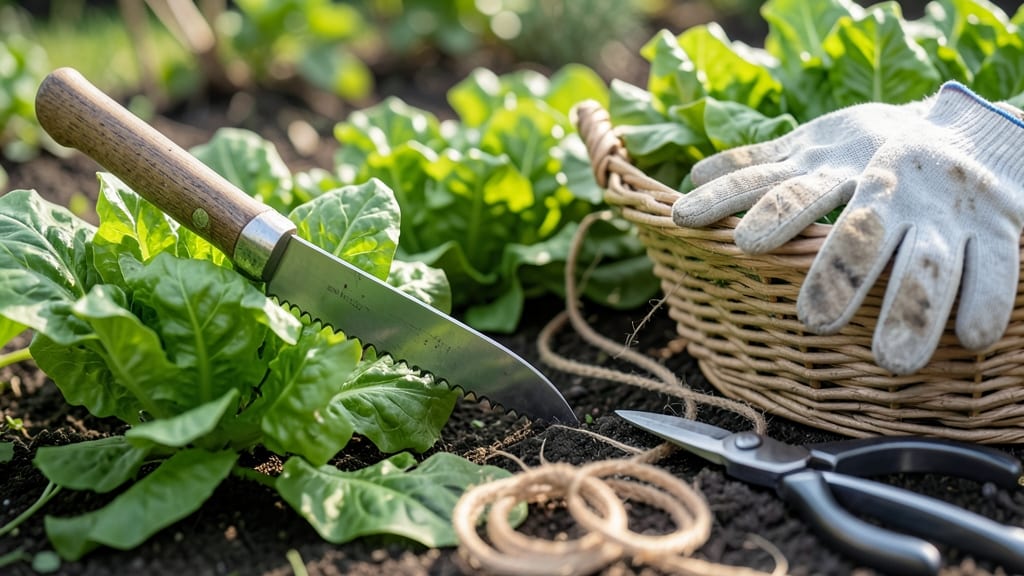
Harvesting black-seeded Simpson lettuce 🥬 at the perfect moment unlocks crisp, flavorful leaves that stay sweet and bolt-resistant—if you know when to pull the trigger.
Picture this: you’ve nurtured your Simpson plants through cool spring days, and now the outer leaves are reaching 4-6 inches with a deep, vibrant green. That’s your cue—but wait too long, and those tender greens turn bitter or bolt into flower stalks.
Timing is everything, and getting it right means the difference between a salad fit for a chef and one that’s disappointingly tough.
This guide breaks down the exact visual cues to watch for, from leaf size to color, and the best techniques to harvest without stressing the plant.
Whether you’re cutting for a cut-and-come-again bounty or going for a full harvest, you’ll learn how to extend your Simpson’s productivity while keeping those leaves at their peak.
Ready to turn your garden into a never-ending supply of restaurant-quality greens? Let’s dive into the harvesting secrets that’ll keep your Simpson lettuce happy, crunchy, and ready to eat.


When to harvest black-seeded Simpson lettuce for maximum crunch and flavor
Timing your Black-Seeded Simpson lettuce harvest is everything—wait too long, and you’ll sacrifice that prized crunch and sweetness. The key is harvesting when leaves reach 4-6 inches long while still maintaining tender texture.
This leafy green thrives in cooler weather, so spring and fall crops offer the best flavor windows. I’ve learned the hard way that heat stress or over-maturity can trigger bolting, turning your crisp lettuce into bitter, seed-stalked disappointment.
Start monitoring your plants at 30 days after sowing, when the first outer leaves reach 3-4 inches. These early leaves are perfect for cut-and-come-again harvesting, letting the plant regrow for multiple harvests.
The ideal harvest window spans 45-60 days, where you’ll find the perfect balance of size, texture, and flavor. Pay close attention to leaf color—deep green with no yellowing means peak readiness.
| Harvest Stage | Leaf Size | Days to Harvest | Visual Cues | Best For |
|---|---|---|---|---|
| Early Harvest | 3-4 inches | 30-35 days | Tender, pale green | Baby leaves |
| Prime Harvest | 4-6 inches | 45-50 days | Dark green, crisp | Full heads |
| Late Harvest | 6+ inches | 55-60 days | Thicker stems, slight bitterness | Last resort |
Environmental factors play a huge role in harvest timing. If your Black-Seeded Simpson is growing in hot summer months, accelerate your harvest—heat stress can cause leaves to bolt prematurely.
Aim to harvest before daytime temperatures exceed 75°F. In cooler climates, you can extend harvests into fall, but watch for frost warnings—even light frost can ruin tender leaves.
One of my biggest harvesting mistakes was ignoring the stem thickness. When stems reach ¼ inch or thicker, your lettuce is past its prime. Thin stems mean crisp, sweet leaves, while thick stems signal over-maturity and bitterness.
Always harvest in the morning when leaves are fully hydrated for the best texture. Use a sharp knife or scissors to avoid crushing leaves.
For cut-and-come-again harvesting, snip the outer leaves just above the soil line or 1 inch above the crown. This method lets the plant regrow for 3-4 additional harvests while maintaining crunch and flavor.
Just avoid cutting into the center rosette, or you’ll stunt regrowth. I’ve found that harvesting every 7-10 days keeps my plants productive all season.
If you’re growing Black-Seeded Simpson in containers, harvest slightly earlier—smaller root systems can’t support large leaves. Container-grown lettuce often bolts faster due to heat buildup and limited soil moisture.
To delay bolting, provide afternoon shade during hot spells and keep soil consistently moist but not soggy. Mulching with straw or shredded leaves helps maintain even soil temperatures.
Never harvest Black-Seeded Simpson after it bolts—those flower stalks are inedible and signal the end of the plant’s productive life. If you see tall, hollow stems or yellowing leaves, it’s too late. Instead, focus on early and frequent harvesting to maximize your yield.
I’ve had success using a harvest calendar to track plant maturity and environmental conditions, ensuring I never miss the peak harvest window.
After harvesting, store your Black-Seeded Simpson lettuce properly to preserve crunch and flavor. Wrap leaves loosely in damp paper towels and store in a plastic bag in the crisper drawer of your fridge.
This method keeps lettuce fresh for 7-10 days. For long-term storage, try freezing blanched leaves—though texture will soften, the flavor remains intact.
With the right harvest timing, Black-Seeded Simpson lettuce delivers restaurant-quality crunch straight from your garden. Pay attention to leaf size, color, and stem thickness, and you’ll enjoy a steady supply of flavorful greens all season long. Happy harvesting! 🥬
How to harvest black-seeded Simpson lettuce without triggering bolting
Harvesting Black-Seeded Simpson lettuce at the right time keeps your plants productive and prevents that dreaded bolting (when lettuce suddenly flowers). The key is using the cut-and-come-again method while avoiding over-maturity. I’ve perfected this technique over three growing seasons—here’s exactly how I do it.
Start by waiting until the outer leaves reach 4-6 inches in length, which usually takes 45-60 days from sowing. At this stage, the leaves should be deep green and crisp to the touch.
If you harvest too early, you’ll sacrifice yield; too late, and the plant will bolt. I always check the stem thickness—if it’s thickening, it’s time to act fast.
✂️ Step-by-Step Harvesting Guide
- Gather Tools: Sharp pruning shears or a clean knife, a bucket of ice water (to preserve freshness), and gardening gloves (to protect from thorns on older leaves).
- Choose the Right Day: Harvest on cool mornings (before 10 AM) to avoid wilting. Cloudy days are ideal—hot sun stresses the plant.
- Cut Strategically: Use your shears to snip the outer leaves 1 inch above the base. Leave the inner leaves and growth point intact to encourage regrowth.
- Frequency Matters: For cut-and-come-again, harvest every 7-10 days. If you want a full harvest, wait until the entire head is mature, then cut the whole plant at the base.
- Post-Harvest Care: After harvesting, water deeply and remove any yellow leaves. Apply a light mulch (like straw) to retain moisture and cool the roots.
One mistake I used to make was harvesting too aggressively—removing more than 30% of the plant at once. This stresses the lettuce and can trigger bolting. Now, I limit myself to 2-3 outer leaves per harvest and always leave the center rosette untouched.
This keeps the plant happy and productive for weeks longer.
If your Simpson lettuce starts to bolt (you’ll see tall flower stalks), don’t panic. You can still harvest the lower leaves for salads before the plant goes to seed.
I’ve even saved bolted plants by shading them with a cloche or row cover to slow down the process and squeeze out a few more harvests.
For fall harvests, I extend the season by planting a second crop in late summer and using row covers to protect from early frosts. This gives me fresh lettuce well into October or November, depending on my climate.
Just remember: consistent moisture and partial shade are your best friends during hot weather.
With these techniques, I’ve harvested Black-Seeded Simpson lettuce for 8-10 weeks per planting—far longer than most varieties. The secret? Patience, precision, and post-harvest care. Now it’s your turn to try it! 🥬