
How To
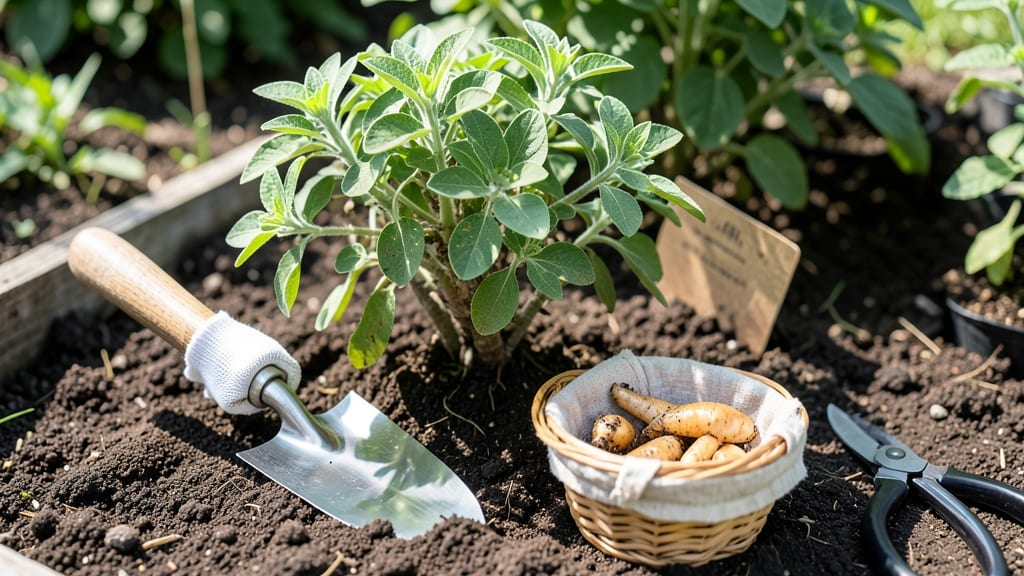
Harvesting ashwagandha at the right time unlocks its full adaptogenic power—but timing those roots and leaves isn’t as simple as it seems.
Picture this: you’ve nurtured your 🌿 ashwagandha for months, watching it thrive in your General (Tropical/Subtropical Regions) garden or indoor setup. Now comes the moment of truth—when to pull those roots or snip the leaves for maximum potency.
Get it wrong, and you’re left with weak, bitter, or even useless plant material. Get it right, and you’ve got a harvest packed with stress-relieving, energy-boosting benefits.
Most gardeners focus on root size, but leaf color and plant maturity are just as critical. A 60-90 day growth cycle might sound straightforward, but seasonal shifts and visual cues—like deepening leaf hues or woody stems—tell the real story.
Below, I’ll break down the exact signs to watch for, the tools you’ll need, and how to dry and store your harvest to preserve every bit of its powerful properties.
Ready to turn your ashwagandha into a potent, long-lasting remedy? Let’s dive into the step-by-step process, from recognizing the perfect harvest window to storing your bounty for teas, powders, or supplements.


When to harvest ashwagandha roots for maximum potency: size and growth stage guide
Timing your ashwagandha root harvest is critical for capturing its peak adaptogenic potency. Unlike leaves, which can be harvested multiple times, roots require 2-3 years of growth to develop their full medicinal properties.
The best time to harvest roots is during fall or early winter, when the plant's energy shifts underground to prepare for dormancy.
For maximum potency, aim to harvest roots when they reach a minimum diameter of 1 inch and a length of 6-8 inches.
Younger roots (under 1 year) contain lower concentrations of withanolides, the active compounds that give ashwagandha its benefits. Root thickness is your primary indicator—thicker roots equal higher potency.
Seasonal timing matters just as much as size. Harvesting in late fall (October-November) ensures roots have absorbed maximum nutrients from the growing season. If you're in a warmer climate, early winter (December-January) can also work, but avoid harvesting after the first frost, as cold temperatures can reduce potency.
Here’s how to assess your ashwagandha’s readiness for root harvest using visual and physical cues:
Notice how leaf color changes correlate with root maturity. In year 2, leaves develop yellow edges, signaling roots are thickening. By year 3, leaves may appear wilted or yellow-green, a clear sign the plant is redirecting energy to its roots—perfect for harvest.
If you’re growing ashwagandha indoors, artificial light cycles can delay natural dormancy signals. In this case, harvest roots when they reach 1 inch in diameter, even if it’s not fall.
Just ensure the plant has had 12+ hours of light daily for at least 6 months to mimic seasonal growth.
One common mistake is harvesting roots too early to "save" the plant. Never harvest roots from a young plant—this stunts growth and reduces future yields. Instead, focus on leaf harvests in years 1-2, using only 20-30% of the foliage to avoid stressing the plant.
For outdoor growers, soil temperature is another key factor. Roots are best harvested when soil temps drop below 60°F (15°C) but before hard frosts. Use a soil thermometer to monitor—this ensures roots are fully developed but haven’t been damaged by cold.
Pro tip: If you’re unsure about root size, dig up one test root from a non-central part of the plant. This lets you check maturity without compromising the main harvest. Mark the spot so you can return later for the full harvest.
Once you’ve confirmed your ashwagandha roots are ready, act quickly. Post-harvest processing (like washing and drying) begins immediately to preserve potency. Store dried roots in an airtight container away from light to maintain their adaptogenic properties for up to 2 years.
Leaf color and plant health: visual clues to harvest ashwagandha at peak power
Your ashwagandha plant’s leaf color is the first clue to determine when it’s ready for harvest. Deep green leaves indicate healthy growth, but when they develop yellowish edges, it’s often a sign of maturity and peak potency.
These subtle color changes signal that the plant’s energy is shifting from growth to nutrient production, making it ideal for harvesting.
Pay close attention to the stem thickness and flowering patterns as well. Thicker, woody stems paired with small yellow flowers mean the plant is nearing its optimal harvest window.
For leaves, aim to collect them just before flowering—this ensures maximum potency, as the plant hasn’t yet redirected its energy into seed production.
✅ Harvesting Ashwagandha: Leaf vs. Root
Leaf Harvest
- When: Before flowering
- Signs: Dark green leaves with yellow edges
- Potency: Highest in fresh leaves
- Mistake: Harvesting after flowering
Root Harvest
- When: After 2-3 years of growth
- Signs: Thick, brown roots and woody stems
- Potency: Peaks in fall/winter
- Mistake: Harvesting too early (thin roots)
Pro Tip: Avoid harvesting leaves during hot summer months—this can stress the plant and reduce potency.
Avoid the common mistake of harvesting when leaves start turning fully yellow or brown. This indicates overmaturity or stress, which can diminish the plant’s adaptogenic properties. Instead, focus on the transition phase—when leaves are still mostly green but show subtle yellowing at the edges.
For root harvests, wait until the plant is at least 2-3 years old and the roots are thick, brown, and forked. Dig carefully to avoid damaging the root structure, which holds the highest concentration of withanolides, the active compounds that give ashwagandha its powerful benefits.
Seasonal timing also matters. Fall or early winter is ideal for root harvests, as the plant’s energy is naturally drawn downward to store nutrients. For leaves, spring or early summer harvests yield the freshest, most potent foliage.
If you’re unsure, observe your plant daily. Healthy ashwagandha should have vibrant green leaves, a sturdy stem, and a steady growth pattern. Any sudden color shifts or stunted growth could signal pests or disease, not harvest readiness.