
How To
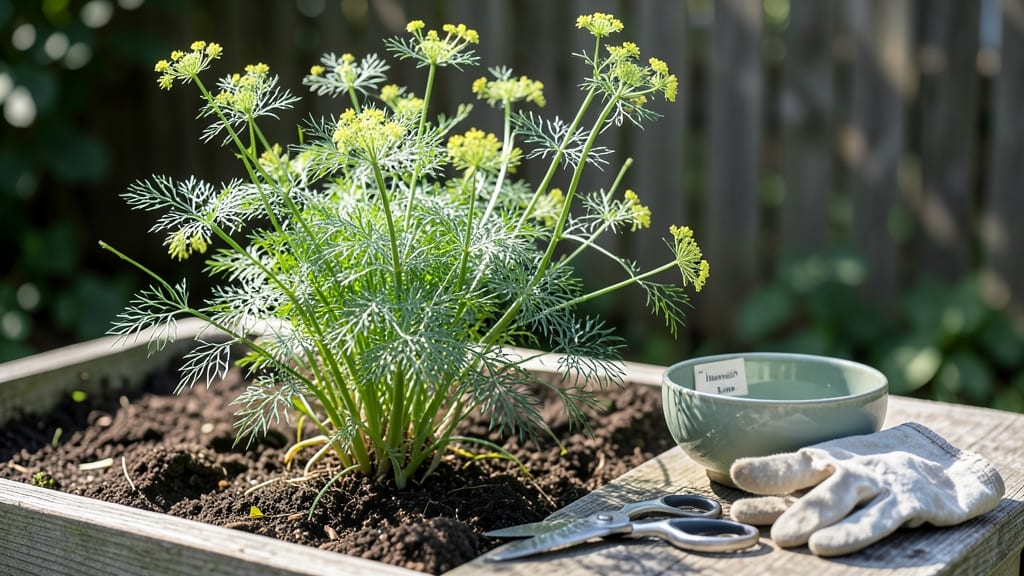
Harvesting dill at the right time means you get the freshest leaves and save seeds for next year’s garden—no more wasted plants or bland flavor.
Picture this: you’ve nurtured your 🌿 dill all season, and now those feathery stems are reaching for the sky. But when do you snip? Too early, and you miss the peak flavor; too late, and you lose the chance for seed-saving.
The key is knowing when those leaves are at their best—and when to let the plant go to seed.
In USDA Zone 6a, dill thrives from April through August, but timing is everything. You’ll want to harvest leaves when they’re fully developed but before flowering, while seed heads should dry completely on the stem before collecting.
Miss the window, and you’ll end up with bitter leaves or no seeds at all.
Below, I’ll walk you through the exact steps to harvest dill for maximum yield—whether you’re saving seeds or snipping fresh sprigs for your favorite dishes. Plus, I’ll share my foolproof storage tips to keep your harvest fresh for months.


When to harvest dill for fresh leaves vs. seeds (timing matters)
Harvesting dill at the right time maximizes flavor and productivity. For fresh leaves, timing is critical—you want to snip them just as they reach their peak aroma, before flowering begins. This ensures tender, flavorful foliage for your favorite dishes.
If you're saving seeds for next season, wait until the stems turn brown and the seed heads dry completely. Missing these windows can mean bitter leaves or wasted seed potential.
Understanding the visual cues is key. Look for feathery green leaves with a strong scent when crushed for leaf harvests. For seeds, watch for brown stems and papery seed heads that rattle when shaken.
These simple checks help you avoid common mistakes like harvesting too late for leaves or too early for seeds.
| Harvest Type | Ideal Stage | Visual Cues | Best For |
|---|---|---|---|
| Fresh Leaves | Before flowering | Feathery green leaves, strong scent | Culinary use |
| Seeds | Stems brown, seed heads dry | Brown stems, papery seed pods | Seed saving |
| Late Leaves | After flowering | Bitter taste, woody stems | Avoid for cooking |
For fresh leaves, start harvesting once your dill reaches about 6-12 inches tall. This usually happens around 45-60 days after planting, depending on your climate. Focus on the outer leaves first to encourage new growth.
If you let the plant flower, the leaves will become bitter and less aromatic, ruining their culinary value.
When saving seeds, patience is key. Wait until the entire plant has finished flowering and the stems turn a deep brown color. The seed heads should feel dry and papery to the touch.
Shake a few pods—if seeds rattle inside, they’re ready for harvest. Collect seeds on a dry day to prevent moisture from ruining them.
Timing matters for both culinary and seed-saving purposes. Harvesting leaves too late or seeds too early can drastically reduce quality. For example, dill seeds harvested too soon won’t germinate well, while leaves harvested after flowering lose their signature tangy flavor.
Pay attention to these cues to ensure you get the most out of your dill plants.
If you’re growing dill in containers, the timing remains the same, but you may need to harvest more frequently to prevent overcrowding. Container-grown dill often matures faster due to warmer soil temperatures, so check for readiness every 3-5 days once the plant reaches 6 inches tall.
This frequent monitoring helps you stay ahead of the flowering stage.
Pro tip: Mark your calendar when you plant dill to track the 60-day window for leaf harvesting. This simple step ensures you don’t miss the optimal time.
For seed saving, note when the first flowers appear—this marks the start of the 30-45 day countdown to seed readiness. Planning ahead makes harvesting stress-free and rewarding.
Don’t forget that dill is a biennial plant, meaning it can produce seeds in its first year and leaves in the second. If you’re saving seeds, allow some plants to flower and go to seed while harvesting others for leaves.
This dual approach gives you a continuous supply of both fresh dill and seeds for future planting.
Finally, always use clean, sharp scissors or pruning shears when harvesting. This minimizes damage to the plant and encourages healthier regrowth. For leaves, cut just above a leaf node, while for seeds, snip the entire stem and hang it upside down in a dry, dark place to finish drying.
Step-by-step guide to harvesting dill without killing the plant
Harvesting dill correctly keeps your plant thriving while maximizing your yield. The key is to use the right cutting techniques and timing—whether you're harvesting leaves for cooking or seeds for next season.
With just a few simple steps, you can extend your dill's productivity for months without stressing the plant.
Start by gathering your tools: a pair of sharp pruning shears or clean scissors, a bowl for leaves, and a paper bag for seeds. Work in the morning after dew has dried to minimize plant stress.
Always cut just above a leaf node or bud to encourage new growth—this is how you keep your dill bushy and productive.
How to Harvest Dill
- 1 Harvest leaves when plants reach 6-12 inches tall. Pinch off outer leaves or snip 1/3 of the plant just above a leaf node.
- 2 For seed heads, wait until stems turn brown and crispy. Cut entire stems at the base and place in a paper bag to dry.
- 3 After harvesting, water deeply and apply balanced fertilizer (5-10-10) to encourage regrowth. Avoid over-fertilizing, which can reduce flavor.
- 4 Harvest leaves every 2-3 weeks to maintain bushiness. For seeds, harvest once stems fully brown—usually August-September in most climates.
Pro tip: If your dill bolts too early (sends up a flower stalk), don't panic. Simply cut the flower stalk at the base—this redirects energy to leaf production. Your plant may not produce seeds that season, but it will keep growing lush foliage for your kitchen.
To store harvested dill, bundle leaves with a rubber band and hang upside down in a dark, dry place for 1-2 weeks. For seeds, remove them from dried stems and store in an airtight container in a cool, dark place.
Proper storage ensures you'll have fresh dill or seeds ready for next year's garden.
With these techniques, your dill plant will stay productive all season long—giving you a steady supply of fragrant leaves and seeds without sacrificing the plant's health. Happy harvesting! 🌿✂️🌱