
How To
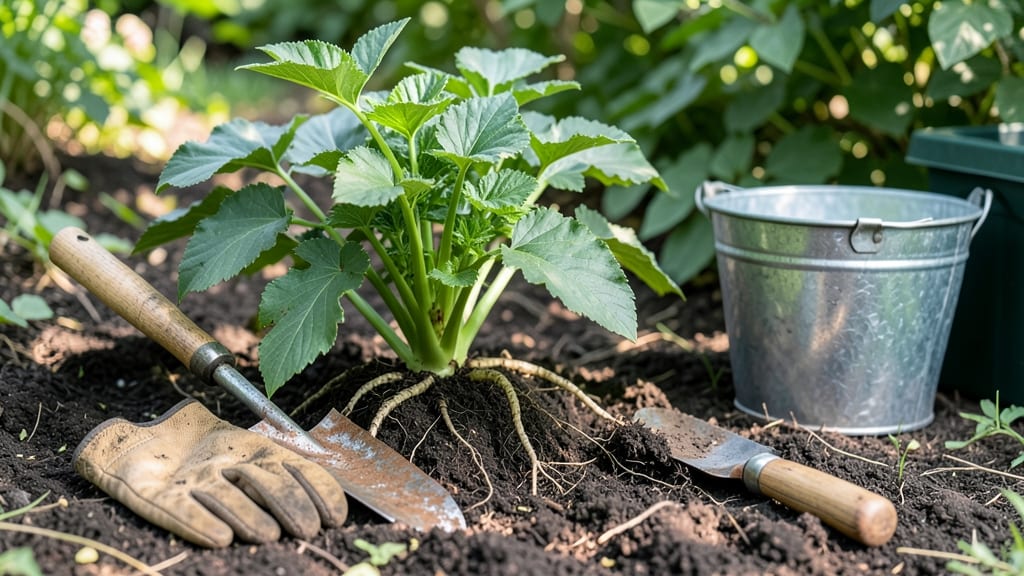
Harvesting horseradish plant roots at the right time ensures a bold, fiery flavor that store-bought can’t match—and leaf color is your best guide.
If you’ve ever wondered why your homemade horseradish tastes milder than expected, it’s likely because you picked it too soon. The secret lies in those dark green leaves turning golden, a sign the roots are finally ready for harvest after 18-24 months of patient growth.
Timing matters because horseradish roots develop their signature heat over time, and digging too early means missing out on that peak pungency. Below, I’ll walk you through the exact size and color cues to look for, plus the tools and steps to harvest without damaging the roots.
You’ll also learn how to store your harvest for maximum flavor retention and whether to leave some roots in the ground for next year’s crop. No more bland horseradish—just pure, sharp, garden-fresh heat.


When to harvest horseradish roots by size and leaf color
Harvesting horseradish at the right time ensures maximum pungency and flavor. I’ve learned that waiting for the perfect root size and watching for specific leaf color changes makes all the difference between a mild root and one that packs a fiery punch.
The key is patience—horseradish roots need time to develop their signature heat.
For peak flavor, aim to harvest when roots reach 1 to 3 inches in diameter. Smaller roots, under ½ inch, simply won’t have developed the complex flavors and spiciness you crave.
I’ve made the mistake of harvesting too early, only to end up with roots that tasted disappointingly mild compared to what I expected.
Your leaf color is another critical clue. Healthy, dark green leaves signal active growth, but when they start turning yellow or brown and begin to die back, it’s time to dig. This usually happens in late fall or early winter, just before the first frost.
The leaves act like a natural calendar, telling you when the roots are fully mature and ready for harvest.
Here’s a quick visual guide to help you determine the perfect harvest time based on root size and leaf color—no guesswork required.
| Harvest Indicator | Root Size | Leaf Color | Best Time to Harvest |
|---|---|---|---|
| Not Ready | Under ½ inch | Dark green, vigorous | Spring/Summer |
| Ideal Harvest | 1-3 inches | Yellowing, dying back | Late Fall/Early Winter |
| Overripe Risk | Over 3 inches | Brown, crispy leaves | Winter (after frost) |
Timing is everything when it comes to horseradish. If you harvest too early, the roots won’t have developed their full spiciness. But if you wait too long, the leaves may turn completely brown and crispy, and the roots can become woody or split.
The sweet spot is when the leaves start yellowing but haven’t fully died back—this usually aligns with late October to November in most climates.
One trick I’ve picked up from experienced gardeners is to cut back the foliage in early fall. This redirects the plant’s energy toward root development, resulting in thicker, more pungent roots by harvest time.
Just be sure to leave a few leaves to keep the plant photosynthesizing until the first frost.
Pay attention to the texture of the roots as well. Mature horseradish roots should feel firm and smooth to the touch. If they’re soft or fibrous, they’re either too young or past their prime.
A strong horseradish aroma when you cut into the root is another telltale sign that it’s ready for harvest.
If you’re growing horseradish in USDA Zone 6a or colder, aim to harvest before the ground freezes. Frozen roots can become mushy and lose their flavor. In warmer climates, you might be able to harvest later, but always prioritize the leaf color and root size over the calendar date.
Pro tip: If you’re unsure whether your roots are ready, dig up one or two and taste-test them. The flavor will tell you everything you need to know. Store-bought horseradish often tastes milder because it’s harvested too early—don’t let that happen to your homegrown crop!
Once you’ve mastered the art of timing, you’ll never settle for bland horseradish again. The secret is in the leaf color, the root size, and a little patience. Happy harvesting! 🌱
Step-by-step horseradish root harvesting process for maximum flavor
Harvesting horseradish roots at the right time ensures a bold, fiery flavor that store-bought varieties can’t match. The key lies in patient timing—roots need 18-24 months to develop their signature heat.
I’ve learned that rushing the harvest leads to mild, woody roots with minimal pungency, so let’s dive into the precise steps to dig up your crop without damaging those precious roots.
Before you grab your shovel, gather the right tools and materials: a sturdy garden fork, pruning shears, a bucket of cool water, and rubber gloves (trust me, the sap stains!).
The process starts with loosening the soil around the plant—horseradish roots spread aggressively, so take your time to avoid cutting through them. Once you’re ready to harvest, follow these steps to preserve that signature kick.
How to Harvest Horseradish Plant
- 1 Wait for the right signals: Harvest in late fall or early winter when leaves turn yellow and wilt. Roots should be 1-2 inches thick and emit a strong aroma when cut.
- 2 Loosen the soil: Use a garden fork to gently loosen soil around the plant in a circular motion, working 6-8 inches deep to avoid cutting roots.
- 3 Lift the roots: Grasp the leaf base and pull upward with steady pressure. If resistance remains, use the fork to pry roots free without breaking them.
- 4 Shake off excess soil: Gently rinse roots in cool water to remove dirt, but avoid scrubbing—this can damage the skin and reduce storage life.
- 5 Trim the foliage: Cut leaves 1 inch above the root using sterilized pruning shears. Save healthy leaves for compost—they’re nutrient-rich!
- 6 Inspect for damage: Discard any roots with soft spots or cuts, as these won’t store well. Healthy roots should feel firm and aromatic.
- 7 Store properly: Keep roots in a cool, dark place (like a root cellar) or refrigerate in a plastic bag with damp sand for up to 6 months.
Avoid the common mistake of harvesting too early—roots under 1 inch in diameter lack the full heat potential they’ll develop with time. I’ve also seen gardeners overhandle the roots during cleaning, which bruises them and speeds up spoilage.
If you’re planning to regrow horseradish from a small piece, leave 1-inch segments in the ground after harvest—they’ll sprout new shoots next spring!
Pro tip: Grated horseradish loses potency quickly, so if you’re not using it all at once, store the whole root and grate only what you need.
The freshly grated version packs the most spicy punch, but even stored roots retain their kick for months if kept dry and cool. For extra flavor preservation, consider freezing grated horseradish in ice cube trays with a little vinegar.
Now that you’ve mastered the harvest, you’re ready to enjoy that bold, tangy flavor in sauces, marinades, or even fermented horseradish cream. Just remember: patience is key—the longer you wait, the more intense the heat! 🌿