
How To
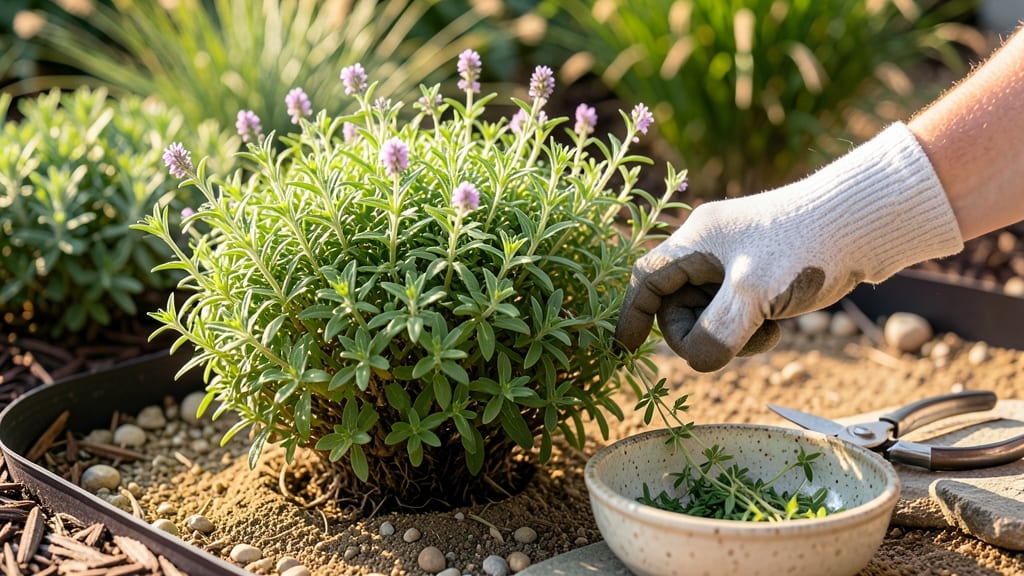
Harvesting lemon thyme at the right time ensures a burst of bright, citrusy flavor in your dishes — and keeps your 🌿 thriving for years.
Picture this: you pinch back a sprig, and the air fills with that zesty aroma. But wait too long, and the stems turn woody, the leaves fluff out, and the magic fades. The secret? Timing it just right—before flowering, when the plant is lush but not overgrown.
In this guide, I’ll walk you through the exact signs to look for (like sturdy stems and glossy leaves) and the best tools to use so you don’t damage your plant. No more guesswork—just a steady supply of fresh, fragrant thyme all summer long.
You’ll also discover how to store your harvest—whether drying, freezing, or using it fresh—to lock in that lemony punch for months. Ready to turn your kitchen into a flavor powerhouse?


When to harvest lemon thyme: signs of optimal harvesting time
Knowing when to harvest lemon thyme is the secret to maximizing its citrusy aroma and keeping your plant healthy. Unlike many herbs, lemon thyme thrives when you prune it regularly, but timing is everything.
Harvest too early, and you’ll miss peak flavor; wait too long, and the stems become too woody, reducing quality. The key is watching for three critical signs: stem woodiness, leaf fluffiness, and growth cycles.
First, focus on the stem condition. Young stems should feel slightly flexible but not bendy like grass. If they snap easily, your plant isn’t mature enough. However, if stems feel rigid and hard to break, you’ve waited too long.
The ideal time is when stems are wooden but still pliable, usually around 60-90 days after planting, depending on your climate.
Next, examine the leaf clusters. Ready-to-harvest leaves should be bright green and fluffy, not sparse or pale. A simple test: crush a few leaves between your fingers.
If they release a strong lemon scent, they’re prime for harvesting. Weak or no scent means your thyme needs more time to develop its signature flavor.
Seasonal timing also plays a role. In USDA Zone 6, the best harvest window is from late spring through early fall (June-September). This aligns with the plant’s natural growth cycle, ensuring you get the most aromatic leaves.
Avoid harvesting in winter or early spring unless you’re in a milder climate, as the plant’s energy focuses on survival, not flavor development.
Here’s a quick reference to help you spot the perfect harvest time:
One common mistake is harvesting too aggressively all at once. Instead, I recommend a gradual approach: trim about one-third of the plant at a time, leaving enough foliage for photosynthesis.
This encourages new growth and keeps your lemon thyme bushy. For example, if your plant is 12 inches tall, cut back stems to 4-6 inches to promote regrowth.
Pay attention to the flower buds too. If you notice small purple or white flowers forming, it’s time to harvest immediately. Once lemon thyme blooms, the leaves lose some of their citrusy punch and focus energy on seed production.
Pruning flowers also prevents the plant from becoming overly woody and ensures a longer harvest season.
For container-grown lemon thyme, harvesting is even simpler. Since potted plants grow more compactly, you can trim individual stems as they reach maturity. Just ensure your container has good drainage and you’re not overcrowding the roots.
Over time, this method keeps your plant dense and productive, with fresh leaves ready for harvest every few weeks.
Finally, don’t forget to rotate your harvests. If you always cut from one side, your lemon thyme may grow unevenly. Instead, move around the plant each time you harvest to encourage balanced growth.
This also helps you spot pests or diseases early, like spider mites or powdery mildew, which thrive on stressed plants.
With these signs in mind, you’ll never miss the perfect harvest window again. Your lemon thyme will stay lush, fragrant, and ready to use all season long—whether you’re garnishing dishes, making infused oils, or drying bundles for winter use. Happy harvesting! 🌿✂️
Step-by-step guide to harvesting lemon thyme without killing the plant
Harvesting lemon thyme correctly ensures you get the most flavor while keeping your plant healthy. The key is timing—wait until stems are woody but still flexible and leaves are bright green and aromatic.
Over-harvesting can stress the plant, but following these steps will keep it lush and productive for years.
Before you start, gather your harvesting tools: sharp pruning shears or clean scissors, a small bowl for clippings, and a spray bottle with water. Work in the morning after dew dries when oils are most concentrated. Avoid harvesting during peak heat to prevent wilting.
For potted lemon thyme, harvest more frequently—every 2-4 weeks—to encourage dense growth. In-ground plants can handle slightly longer intervals, but always check for woody stems as a sign it's time. Avoid harvesting in fall or winter when the plant is dormant.
If you notice your lemon thyme losing its lemony scent or becoming too woody, it’s time for a rejuvenation prune. Cut back half the plant to 6 inches tall in early spring. This drastic measure stimulates fresh, fragrant growth and prevents the plant from becoming overly leggy.
Store your harvested thyme in the fridge for up to 1 week or dry it for long-term use. Bundle stems and hang upside down in a dark, dry place for 1-2 weeks until crispy. Crumble dried leaves into homemade potpourri or savor their aroma year-round.