
How To
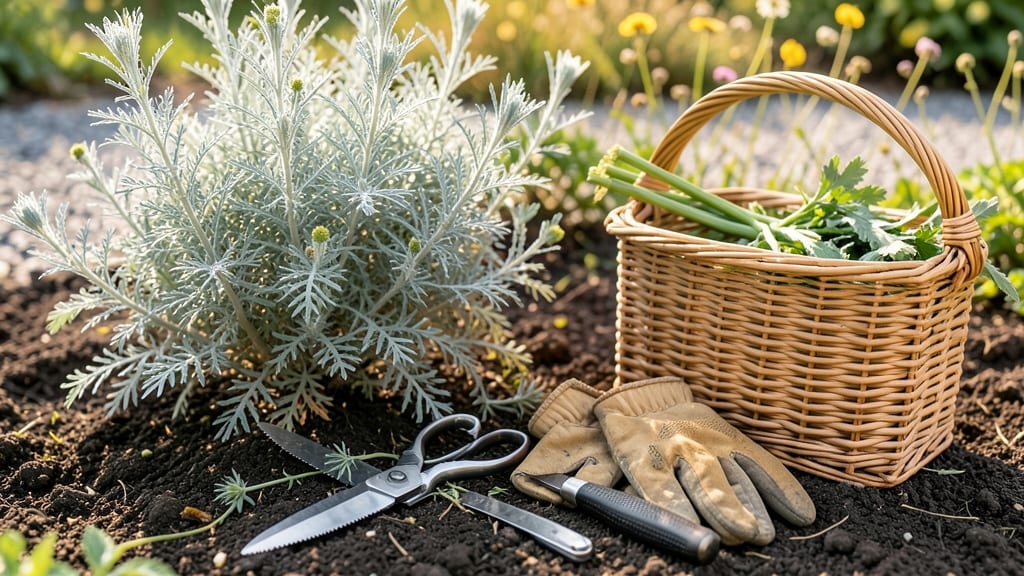
To harvest wormwood at its peak potency, focus on leaf color and stem flexibility between July and September when the plant is fully mature and aromatic.
Wormwood’s potent medicinal properties peak at the right harvest time—but harvesting too early or late can ruin its flavor and effectiveness. Learn the exact leaf color cues and stem snap test to determine the perfect moment for a bountiful, high-quality harvest.
This perennial herb 🌿 thrives in USDA Zone 6a and beyond, but timing is everything. A silvery-green hue and firm stems signal readiness, while yellowing leaves or woody branches mean you’ve missed the window.
Below, I’ll walk you through the best techniques for cutting, drying, and storing your harvest—so you can enjoy wormwood’s benefits in teas, tinctures, or even cocktails all year long.


When to harvest wormwood by leaf color and growth stage
Harvesting wormwood at the wrong time can turn your potent medicinal herb into a bitter disappointment. The key lies in watching leaf color shifts and growth milestones—both tell you exactly when to snip for peak flavor and potency.
I’ve learned through years of growing that timing this right means the difference between a fragrant, therapeutic harvest and one that’s barely usable.
Wormwood’s leaves start as delicate silvery-green fuzzballs in spring. As they mature, they deepen to a rich, dark green with a slightly grayish hue—this is your prime harvest window. But wait too long, and the leaves harden or develop woody stems, making them less aromatic.
The flower buds are another critical clue—harvesting just before they open ensures maximum essential oil content.
| Growth Stage | Leaf Color | Plant Height | Harvest Time | Flavor/Potency |
|---|---|---|---|---|
| Early Spring | Silvery-green | 6-12 inches | Avoid | Mild, weak |
| Mid-Summer | Dark green-gray | 18-24 inches | Ideal | Strong, aromatic |
| Late Summer | Deep green | 24-36 inches | Before buds open | Bitter, medicinal |
| Fall | Grayish-brown | 36+ inches | Avoid | Harsh, woody |
For culinary uses, aim to harvest when the leaves are dark green-gray and the plant stands between 18-24 inches tall. This is when wormwood’s bitter, piney notes are most pronounced—perfect for absinthe or herbal blends.
If you’re growing it for medicinal purposes, like teas or tinctures, wait until the leaves are fully mature but just before flowering to capture the highest concentration of thujone and other therapeutic compounds.
One mistake I made early on was harvesting wormwood too late, after the flower buds formed. The leaves became harsh and overly bitter, ruining my batch for tea.
Now, I mark my calendar for mid-to-late summer, typically between July and early September, depending on my climate zone. In USDA Zone 6a, I’ve found that harvesting in August gives the best balance of flavor and potency.
Pay attention to the leaf texture too—ready-to-harvest leaves should feel firm but not leathery. If they crumble easily, you’ve waited too long. The aroma test is another trick: crush a few leaves between your fingers.
A strong, piney scent means it’s harvest-ready, while a weak or musty smell signals it’s past its prime.
If your wormwood is growing in partial shade, it may take longer to mature, so adjust your harvest timeline accordingly. In full sun conditions, the plant grows faster, and you might harvest a month earlier than in shadier spots.
Always prioritize morning harvests—the essential oils are most concentrated after a cool night and before the sun intensifies.
For a sustainable harvest, never take more than one-third of the plant at once. This encourages bushier growth and ensures you’ll have multiple harvests throughout the season. I like to use clean, sharp pruning shears to avoid damaging the stems, which can lead to disease.
After harvesting, let the plant rest for 4-6 weeks before cutting again to maintain its vigor.
Pro tip: If you’re unsure whether your wormwood is ready, do the stem snap test (which we’ll cover in the next section). A crisp snap means it’s perfect for harvesting, while a bend or break signals it’s not quite there yet.
This tactile check, combined with leaf color, gives you a foolproof way to time your harvest.
Remember, wormwood’s medicinal properties are most potent when harvested at the right stage. Whether you’re growing it for home remedies, culinary experiments, or just to enjoy its striking foliage, nailing the harvest window is the secret to success. With these cues, you’ll never miss the perfect moment again.
The stem snap test: how to check wormwood readiness before harvesting
Harvesting wormwood at the perfect moment ensures maximum potency for your medicinal teas or culinary uses. While leaf color is a key indicator, the stem snap test provides a foolproof tactile confirmation of readiness.
This simple method helps you avoid harvesting too early (when flavors are weak) or too late (when stems become overly woody).
Start by selecting a healthy stem near the plant’s base. Gently grasp it between your thumb and forefinger, about 2-3 inches from the leaf cluster. Apply firm, even pressure—this test reveals whether your wormwood is truly ready for harvest or needs more time to mature.
⚠️ callout warning ⚠️
If stems break instead of snapping cleanly, your wormwood has passed its prime. Woody stems and bitter flavors signal overmaturity. Harvest when stems snap crisply—this guarantees peak flavor and medicinal properties.
🌿 Pro Tip: Test multiple stems for consistency. Early morning harvests yield the most potent leaves.
The ideal snap should be a clean break with minimal resistance. If the stem bends without snapping, your wormwood needs 1-2 more weeks to mature. Conversely, if it snaps too easily (like a dry twig), the plant may be stressed or overripe.
Aim for that perfect middle ground where stems are firm but flexible.
Combine the snap test with visual cues like fully developed, silvery-green leaves and a strong herbal aroma. When both methods align, you’ve found the sweet spot for harvesting. This dual approach minimizes guesswork and maximizes your wormwood’s therapeutic benefits.
For best results, harvest on a dry morning after dew has evaporated. Use sharp pruning shears to cut just above a leaf node, encouraging bushier growth. Avoid harvesting more than one-third of the plant at once to preserve its vigor for future harvests.
Once you’ve mastered the snap test, you’ll never second-guess your wormwood harvest again. The difference between a mediocre and exceptional harvest often comes down to this simple tactile check—so take the time to test your stems before cutting!