
Picking
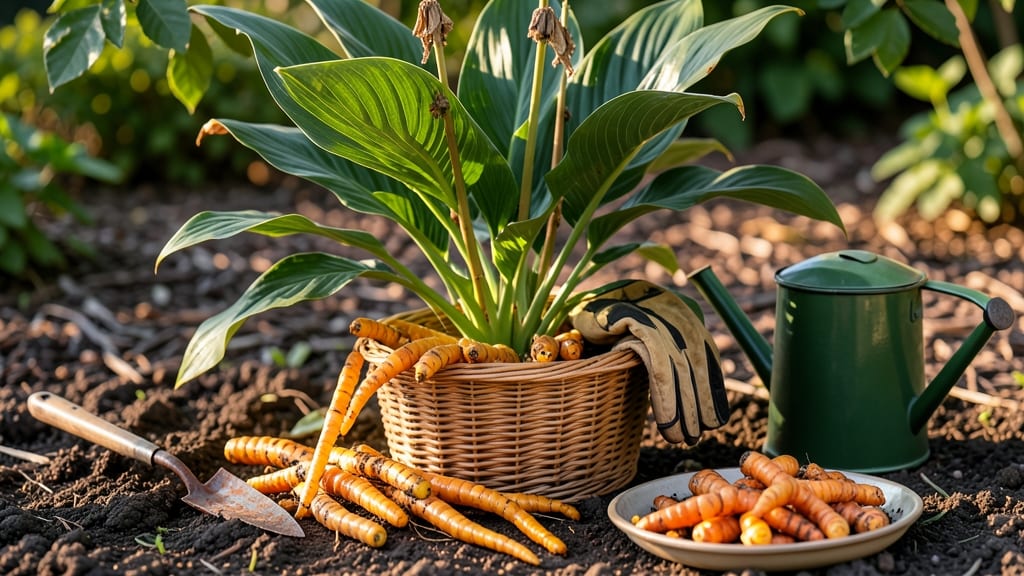
Harvesting turmeric at the right time is the key to unlocking its boldest flavor and highest curcumin content 🌿 — timing it wrong means bitter, underwhelming roots.
Want vibrant, high-curcumin turmeric? Harvesting at the wrong time can mean bitter roots and wasted effort. The difference between a mediocre harvest and one packed with golden rhizomes comes down to knowing the exact moment to dig.
Most gardeners wait until the leaves yellow and die back, but that’s just the beginning. The real magic happens when the rhizomes reach 1-2 inches in diameter and turn a deep, rich orange—signs that curcumin levels are peaking.
In this guide, I’ll walk you through the three foolproof cues to nail your harvest, adjust for your climate (temperate or tropical), and avoid the mistakes that turn your hard work into disappointment.

3 Exact signs your turmeric is ready for harvest (curcumin peak guide)
Harvesting turmeric at the wrong time can turn your curcumin-rich rhizomes into bitter, underwhelming roots. The key to unlocking maximum medicinal potency lies in recognizing three visual and tactile cues that signal peak harvest readiness.
These signs ensure your turmeric is packed with the bright orange pigment and anti-inflammatory compounds you’re cultivating.
First-time growers often struggle to distinguish between immature rhizomes and those ready for harvest. The difference isn’t just about size—it’s about color depth, leaf condition, and growth cycle milestones.
Miss these cues, and you might end up with turmeric that’s either too small or past its prime, both of which dilute its curcuminoid content. Let’s break down the exact moments to dig up your harvest.
- 1 Leaf Color Shift: Yellowing foliage that naturally withers is your first clue. Healthy green leaves mean the rhizomes aren’t ready, but bronze or yellow leaves indicate the plant is redirecting energy to the roots—perfect for harvest.
- 2 Rhizome Firmness: Gently dig around the base and check for deep orange rhizomes that feel firm to the touch. Soft or greenish rhizomes need more time, while firm, dry-feeling ones are ideal. Press your fingernail—it should leave a slight mark but not dent easily.
- 3 Growth Slowdown: If your turmeric’s foliage growth slows dramatically and the rhizomes reach 1-2 inches in diameter, it’s time to harvest. This typically occurs 9-10 months after planting, but watch your plants—they’ll tell you when they’re ready.
Timing your harvest based on these three key indicators ensures you’re collecting turmeric at its peak curcumin concentration. The leaf yellowing isn’t just about aesthetics—it’s a biological signal that the plant has completed its primary growth phase and stored nutrients in the rhizomes.
This is when the anti-inflammatory compounds are at their highest, making your harvest both flavorful and medicinally potent.
Pro tip: Avoid harvesting based on calendar dates alone. While turmeric typically matures in late fall (October-November) in temperate climates, regional variations can shift this window.
For example, in USDA Zone 10, turmeric might be ready as early as September, while in Zone 7, you might extend harvest into December if frost isn’t imminent. Always prioritize the plant’s visual cues over rigid schedules.
One common mistake is waiting too long, assuming bigger rhizomes mean better quality. Over-mature turmeric becomes woody and loses its vibrant color, reducing both flavor and potency. The ideal harvest window is narrow—once the leaves start yellowing and the rhizomes firm up, act quickly.
Delaying by even a week can mean the difference between bright orange turmeric and dull, fibrous roots.
To test readiness without damaging your plant, gently lift a small section of soil near the base of the stem. If you see firm, orange rhizomes with minimal green tissue, your turmeric is ready.
If the rhizomes are still small or greenish, wait another 2-4 weeks and check again. This hands-on approach prevents guesswork and ensures you’re harvesting at the optimal curcuminoid peak.
Once you’ve confirmed all three signs—yellowing leaves, firm rhizomes, and slowed growth—it’s time to harvest. Use a sharp knife or spade to dig carefully around the rhizomes, shaking off excess soil to reveal their true color.
The deeper the orange hue, the higher the curcumin content, so choose rhizomes with the most vibrant pigment.
After harvesting, let the rhizomes dry in the sun for 1-2 hours to harden their skins before storing. Proper drying prevents mold and preserves the bright color and potency you’ve worked so hard to cultivate.
Store them in a cool, dry place away from direct sunlight, where they’ll keep their medicinal properties for months.
Mastering these three exact signs transforms your turmeric harvest from a gamble to a guaranteed success. Whether you’re growing for culinary uses or medicinal benefits, timing is everything. Next time you’re eyeing your turmeric patch, look for these cues—they’re your plant’s way of saying, “I’m ready!” 🌱
Turmeric harvest time by month: climate-specific timelines for maximum yield
Timing your turmeric harvest correctly ensures maximum curcumin content and vibrant rhizomes. Unlike many crops, turmeric thrives in warm climates but can adapt to USDA zones 7-11 with proper scheduling.
In temperate zones, harvest typically occurs 9-10 months after planting, while tropical regions may extend this to 12 months for optimal development.
Your local climate dictates the best harvest window. In USDA zones 7-8, aim for late October to November, while zones 9-11 can harvest as early as September.
Tropical areas may even see year-round harvests if grown as a perennial. Understanding these seasonal variations prevents bitter, underdeveloped rhizomes and ensures high-curcumin yields.
In USDA zones 7-8, where cool nights trigger dormancy, watch for leaf yellowing—a clear harvest signal. Dig up a test rhizome at 270 days to check for firmness and orange color.
If it measures 1.5 inches in diameter, your turmeric is ready. Delaying harvest risks woodier, less potent rhizomes.
For zones 9-10, where winters are mild, extend your harvest window into late fall. Here, deep orange rhizomes with slowing growth indicate peak maturity. Tropical growers in zones 11+ enjoy flexibility—harvest year-round but prioritize September-November for the richest curcumin levels.
Regardless of your climate zone, avoid harvesting green rhizomes—they’ll be bitter and low in curcumin. Use a sharp knife to dig carefully, preserving the root system for future harvests if growing as a perennial. Rinse rhizomes gently and cure in shade for 10 days before storage.
By aligning your harvest schedule with your local climate, you’ll unlock vibrant, high-curcumin turmeric every season. Whether you’re in chilly zone 7 or tropical zone 11, these timelines ensure maximum yield and potency—no guesswork required. 🌿