
How To
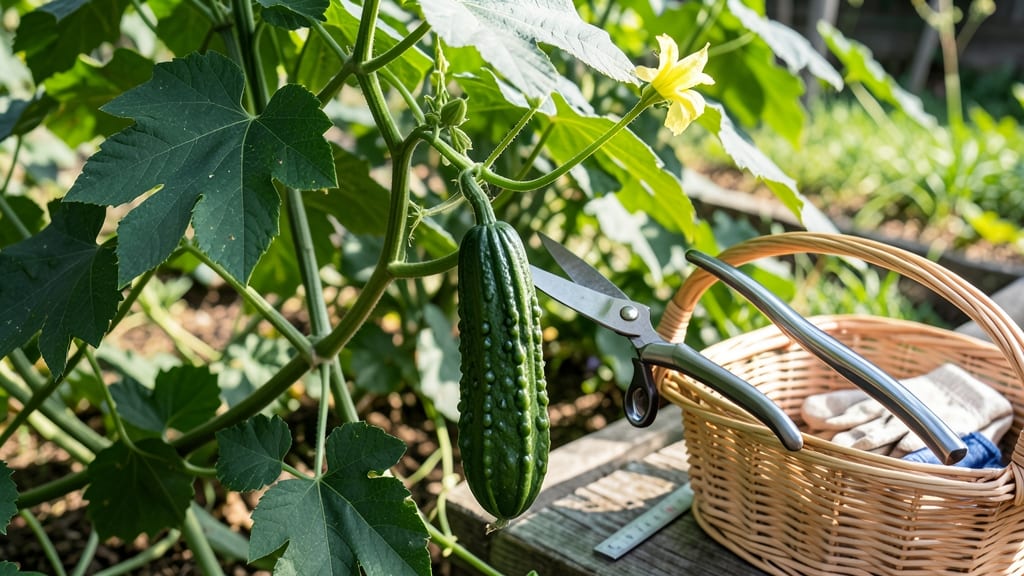
Harvesting bitter melon 🍈 at the right time ensures its signature bitterness and crisp texture, but most gardeners miss the subtle cues that signal readiness.
Picture this: you’ve been watching your plants for weeks, waiting for those dark green fruits to grow. But here’s the catch—bitterness peaks when the fruit is firm and glossy, not when it’s fully ripe.
Too late, and you’re left with a mushy mess. The key? Three often-overlooked plant signals that most guides skip.
If you’ve ever sliced into a bitter melon only to find it underripe or past its prime, you’re not alone. The difference between a perfect harvest and a disappointing one comes down to timing.
Below, I’ll walk you through the exact signs to watch for—plus how to adjust for different varieties and climates.
Ready to master the art of harvesting? You’ll learn how to test ripeness like a pro, avoid common mistakes, and even salvage overripe or underripe fruits. Let’s get started.


3 Unexpected plant signals that mean your bitter melon is ready
Most gardeners focus on fruit size or color when harvesting bitter melon, but the real clues are hiding in plain sight. I’ve learned the hard way that ignoring these subtle signals means either underripe (mild) or overripe (mushy) fruit.
The key is paying attention to your plant’s behavior, not just its appearance.
One of my first bitter melon harvests ended in disaster because I missed the leaf yellowing pattern near the fruit. The plant was telling me it was ready, but I was too focused on the fruit’s length. These overlooked signals can save you from wasted effort—and frustration!
Look for yellowing leaves directly below the fruit. This indicates the plant is redirecting nutrients to the melon, signaling peak ripeness.
Gently bend the stem near the fruit. If it snaps cleanly (not bends), the melon is ready. A flexible stem means it needs more time.
If flowers drop within 24 hours of opening, the fruit will mature quickly. Harvest within 3-5 days of this signal for optimal bitterness.
I once thought flower drop timing was just a quirk of my plants, but after tracking it for two seasons, I realized it’s a reliable predictor. The flowers on my bitter melon plants would wilt and fall by noon, and within days, the fruit was ready.
This pattern saved me from harvesting too late—and dealing with mushy, seedy melons.
Don’t overlook stem firmness either. A soft stem means the fruit is still developing, while a wooden, snappy stem is your green light. I test this every morning before harvesting, and it’s never let me down.
It’s a simple trick, but it’s saved me from underripe fruit more times than I can count.
Another pro tip: Check the fruit’s weight. Ready-to-harvest bitter melons feel heavy for their size. I learned this the hard way when I picked a melon that looked perfect but was hollow inside. Now, I always give them a gentle squeeze—if they feel light, they’re not ready yet.
These signals work together like a symptom checklist. If you see yellowing leaves, a snappy stem, and dropped flowers all at once, it’s time to harvest. Ignoring even one of these can lead to disappointment. Trust me, I’ve tried!
One common mistake I see is harvesting based on size alone. A 6-inch melon might look ready, but if the stem isn’t firm or the leaves aren’t yellowing, it’s not there yet. Always cross-reference these signals for the best results. Your taste buds will thank you.
Finally, remember that bitterness peaks at full ripeness. If you’re growing bitter melon for its signature flavor, don’t harvest too early—you’ll miss the intense, slightly spicy kick that makes it worth growing. These subtle cues ensure you get the most out of your harvest.
Next time you’re checking your bitter melon, take a closer look at the leaves, stem, and flowers. Your plant is giving you all the clues you need—you just have to know where to look. Happy harvesting! 🌱
Harvest timing by variety: when to pick bitter melon for best flavor
Not all bitter melon varieties mature at the same rate, and their flavor profiles differ dramatically based on harvest timing. For example, the 'Chinese Long' variety develops its signature bitterness earlier than the 'Balsam Pear', which requires a longer growing season.
Understanding these differences ensures you harvest at peak flavor—whether you're preparing for stir-fries or fresh salads.
Bitterness peaks when the fruit is firm and glossy, but this window varies by variety. Some gardeners mistakenly wait until the fruit turns yellow, which signals overripeness.
The key is to watch for subtle color shifts from pale green to a deep, matte green—this is your cue for the 'Chinese Long' variety. Meanwhile, 'Balsam Pear' fruits should be slightly softer when ready, with a waxy sheen.
Here’s the critical difference: 'Chinese Long' melons are best harvested for raw use when they’re 4-5 inches long, while 'Balsam Pear' varieties reach ideal texture for cooking at 5-6 inches. The 'Pepper Bitter' type, a hybrid, offers a middle ground—harvest it at 4.5 inches for balanced bitterness.
If you're growing bitter melon for raw consumption, prioritize the 'Chinese Long' variety—its bitterness is most pronounced when harvested at 4-5 inches.
For cooking purposes, the 'Balsam Pear' holds up better when slightly overripe (5-6 inches), as its texture softens into a custard-like consistency perfect for curries or soups.
Climate plays a surprising role in harvest timing. In warmer zones (USDA 9-11), bitter melons mature faster—sometimes as early as 55 days. In cooler climates (USDA 6-8), extend your timeline by 10-15 days. Always adjust your harvest window based on local weather patterns, not just variety guidelines.
Pro tip: Test for readiness by gently pressing the fruit. If it yields slightly but doesn’t dent, it’s perfect. Overripe melons will feel mushy, while underripe ones will be rock-hard. Harvest in the morning when bitterness compounds are at their peak for the freshest flavor.
🌱