
How To
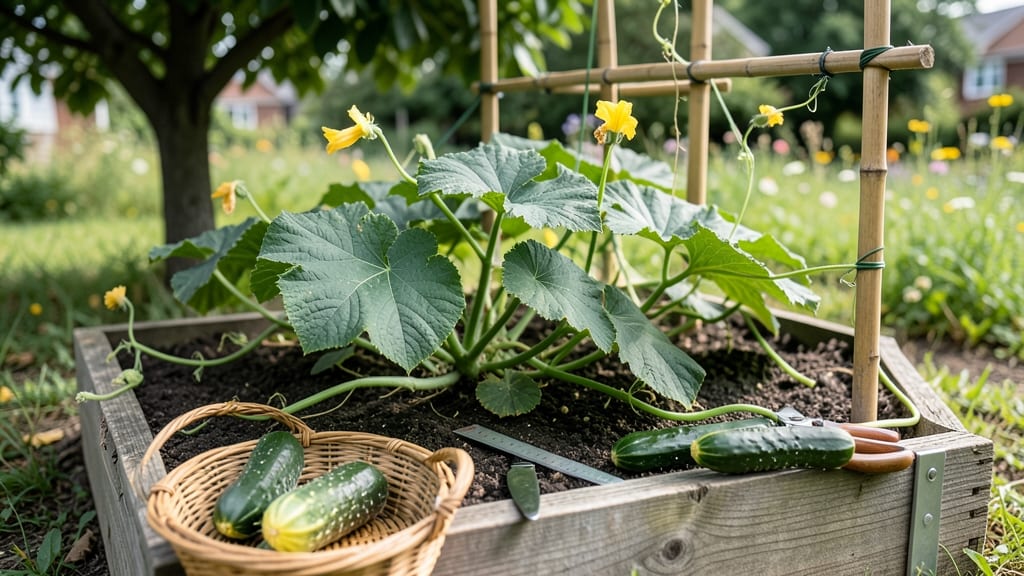
Harvesting cucumbers with prickly skin at the right moment means the difference between a crisp, sweet bite and a bitter, seedy disappointment 🥒—and the key is knowing when those spines signal peak flavor.
If you’ve ever bitten into a cucumber with prickly skin only to find it bitter or overly seedy, you’ve likely missed the perfect harvest window. That’s because prickly cucumbers are a delicate balance: too early, and they’re tough; too late, and the texture turns mealy.
The trick is catching them at that exact moment when the skin’s prickles are fully formed but the flesh stays tender.
For most varieties in Zone 6a, that sweet spot arrives 60–75 days after planting—right around late June if you seeded after last frost in mid-April. But here’s the catch: warm climates speed up ripening, while cooler areas may need to wait until mid-July.
The good news? You don’t need a calendar—just your fingers and eyes.
Below, I’ll walk you through the 3 foolproof signs to pick them at their prime, plus how to adjust for your region and avoid the two biggest mistakes that ruin flavor. Ready to turn your vine’s output into restaurant-quality crunch?


How to identify prickly Cucumber ripeness: 5 key visual & touch triggers
Harvesting prickly cucumbers at the perfect moment ensures crisp texture and sweet flavor—not the bitter, seedy disappointment that comes from waiting too long. Unlike smooth-skinned varieties, prickly cucumbers like 'Lemon Cucumber' or 'Spiny Cucumber' rely on tactile and visual cues to signal readiness.
Ignoring these triggers can turn your garden's best intentions into a culinary misstep.
I’ve learned the hard way that color alone isn’t enough—you need to combine size, texture, and prickle development for foolproof results. For example, a 'Persian Cucumber' might look ripe at 4 inches but still taste bland if harvested too early.
Let’s break down the five non-negotiable signs that your prickly cucumbers are ready to pick, variety by variety.
- 📏 Size Matters: 'Lemon Cucumber' = 3–4", 'Persian' = 4–6", 'Standard Prickly' = 6–8"
- 🌿 Prickle Pattern: Soft, flexible spines (not sharp) covering 70%+ of skin—a sign of maturity
- 🤏 Texture Test: Skin yields slightly to gentle thumb pressure but doesn’t dent (avoid mushy spots)
- 🟢 Color Shift: Deep dark green (slicing) or yellow-green (pickling types) with no pale patches
- ✂️ Stem Signal: Stem end turns yellow/brown (for pickling) or dries slightly (slicing types)
Let’s start with size, the most straightforward clue. Prickly cucumbers like 'Lemon Cucumber' (also called 'Bush Champion') are best picked at 3–4 inches—any longer, and they’ll turn seedy and bitter.
For 'Persian Cucumbers', aim for 4–6 inches; these varieties are prized for their slim, seedless profiles, so overgrowth ruins their appeal. Use a ruler or tape measure if you’re unsure—precision pays off in flavor.
Next, focus on the prickles themselves. Unlike smooth cucumbers, prickly varieties develop soft, flexible spines as they mature. Run your fingers along the skin: 70%+ coverage of these non-sharp prickles means it’s ready.
Beware of hard, jagged spines—that’s a sign of overripeness, which often comes with bitterness. I once harvested a 'Spiny Cucumber' with glass-like prickles and ended up with a mouthful of regret.
The texture test is where many gardeners go wrong. A ripe prickly cucumber should feel firm but slightly yielding when you press your thumbnail into the skin. If it dents easily, it’s overripe; if it resists completely, it’s underripe.
Think of it like testing a ripe avocado—just enough give without mushiness. This trick works especially well for 'Armenian Cucumbers', which can fool you with their thick skins.
Color is another critical visual cue, but it varies by variety. Slicing types like 'Straight Eight' should be a deep, uniform green, while pickling varieties (e.g., 'Boston Pickling') turn yellow-green at the stem end.
Watch for uneven coloring—pale spots indicate underripe patches, which can lead to uneven texture. Pro tip: Harvest on a cloudy morning when cucumbers are hydrated for the most accurate color assessment.
Finally, check the stem end for the ultimate ripeness signal. For pickling cucumbers, the stem should turn yellow or brown, while slicing types will have a slightly dried, papery end. If the stem is still green and pliable, the cucumber needs more time.
Twist the cucumber gently—if it separates cleanly from the vine, it’s ready. This method works for all prickly varieties, including 'Lemon Cucumbers', which often fool beginners with their small size.
Variety-specific tweaks make all the difference. For example, 'Persian Cucumbers' should be harvested earlier (4–5 inches) to avoid seedy interiors, while 'Standard Prickly' types can wait until 6–8 inches.
I keep a small harvest journal to track what works best in my Zone 6a climate—note whether your cucumbers ripen faster in hotter summers or slower in cooler springs. Adjust your timing accordingly to avoid missing the window.
One common mistake I’ve seen is harvesting based on days after planting alone. While most prickly cucumbers mature in 60–75 days, environmental factors like temperature and sunlight can shift this timeline.
For instance, 'Lemon Cucumbers' might be ready in 50 days in a long, hot summer but take 70 days in a short, cool season. Always prioritize the physical cues over calendar dates.
To maximize your harvest, pick cucumbers every 2–3 days during peak production. This encourages the plant to produce more and prevents overripe, bitter fruits from draining its energy.
Use sharp pruning shears or a knife to avoid damaging the vine, and always leave a small stem attached—this slows moisture loss and keeps cucumbers fresher longer. Store them in the crisper drawer of your fridge for up to 5 days to preserve that just-picked crunch.
Mastering these five ripeness triggers will turn your prickly cucumbers from garden curiosities into culinary stars. Next time you’re eyeing those spiky green gems, run your fingers over their texture, check their color, and give them a gentle squeeze. Your taste buds—and your salads—will thank you. 🥒
Prickly Cucumber harvest timing: when to pick for crispness vs. sweetness
Harvesting prickly cucumbers at the right moment makes all the difference between a meal-worthy crunch and a disappointing bite. These varieties—like 'Boston Pickling' or 'Armenian'—develop spiky skin as they mature, signaling their readiness for the kitchen. The key? Timing your harvest based on culinary use, not just size.
For salad cucumbers, aim for 60-65 days after planting when they’re 6-8 inches long and still smooth or lightly prickly. Let them linger too long, and those spines harden, turning the flesh bitter.
Meanwhile, pickling cucumbers thrive when harvested slightly earlier—around 55-60 days—while their skin remains tender and yellowing begins at the stem end.
| Harvest Stage | Days After Planting | Size | Skin Texture | Best For |
|---|---|---|---|---|
| Early (Baby) | 45–50 days | 3–4 inches | Smooth | Salads, snacks |
| Ideal (Crisp) | 60–65 days | 6–8 inches | Light prickles | Salads, slicing |
| Sweet (Mature) | 65–75 days | 8–10 inches | Firm prickles | Pickling, cooking |
| Overripe (Avoid) | 75+ days | 10+ inches | Hard, woody | Bitter, seedy |
If you’re growing prickly varieties for sweetness, wait until the cucumbers reach 8-10 inches and develop deep green color with firm prickles. These cues indicate higher sugar content, perfect for stir-fries or roasting.
However, overripe cucumbers (beyond 75 days) lose their crunch and gain bitterness from cucurbitacin buildup—a natural defense mechanism when stressed.
Check cucumbers twice weekly during peak season. Use your thumbnail test: Press gently—if the skin resists but doesn’t dent, it’s ready. For pickling, harvest when the stem end turns yellow or brown, signaling peak acidity.
Ignore these signs, and you’ll end up with leathery, seedy cucumbers that scream "garden reject."
Pro tip: Morning harvests keep cucumbers crisp longer. Use sharp pruning shears to avoid damaging vines, and always cut 1 inch above the fruit to prevent disease entry.
Store harvested cucumbers in the fridge crisper drawer for up to 1 week—but why wait when they’re at their peak fresh from the vine? 🌱