
How To
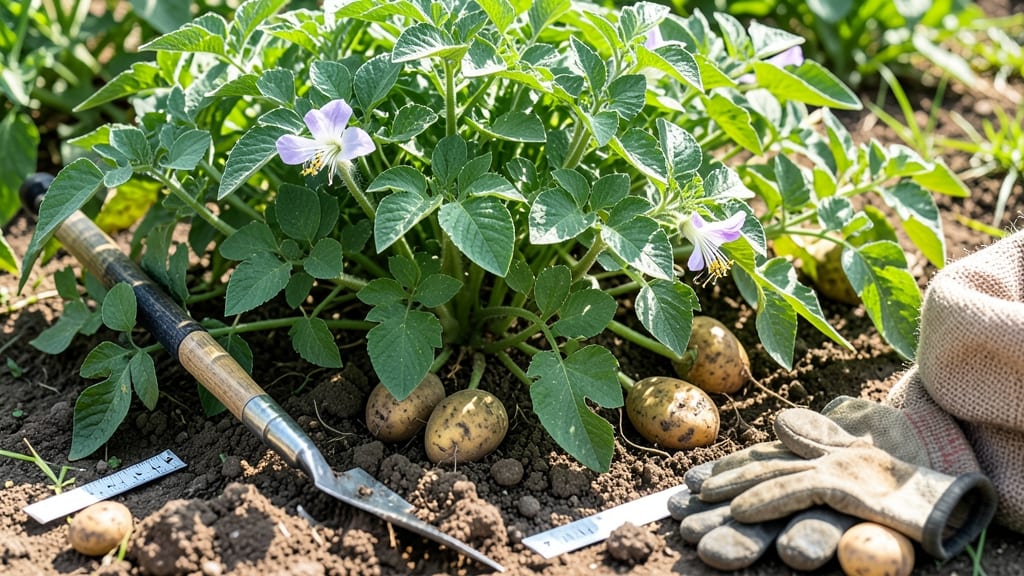
Harvest potatoes in Michigan when the foliage dies back and the tubers reach full size—typically between 75 and 110 days after planting, depending on the variety.
Picture this: you’ve spent all summer hilling your 🥔 plants, and now the leaves are turning yellow and wilting. That’s your cue—digging too early means small, underdeveloped potatoes, while waiting too long risks shriveled tubers. The key? Checking the soil and understanding your variety’s timeline.
Michigan’s climate adds another layer: early varieties (like Yukon Gold) may be ready by mid-July, while late varieties (such as Kennebec) can wait until September. Frost dates and soil moisture play a huge role, so timing isn’t just about days—it’s about watching for the right signs.
In this guide, I’ll walk you through the exact foliage cues, soil checks, and regional adjustments to ensure you harvest at peak flavor and storage potential. No more guessing—just a foolproof method for Michigan gardeners.


Key signs to harvest potatoes in Michigan: foliage dieback & soil checks
Harvesting potatoes in Michigan requires careful attention to foliage changes and soil conditions. Unlike many crops, potatoes don’t give obvious external signs like fruit ripening—so you’ll need to rely on subtle cues from both the plant and the soil.
The key is watching for foliage dieback while verifying soil readiness to avoid digging too early or too late. Michigan’s variable climate adds another layer, so understanding these signs will help you time your harvest perfectly for maximum yield and flavor.
First, focus on the plant’s foliage. Healthy potato plants start with lush green leaves, but as they mature, you’ll notice gradual changes. The most reliable early sign is when about 50-70% of the foliage turns yellow or browns and dies back.
This indicates the plant is redirecting energy to the tubers below ground. However, don’t wait until the entire plant is dead—this can lead to shriveled or green-skinned potatoes, which contain harmful solanine. Instead, harvest when roughly half the leaves have died back, especially for early varieties.
Next, perform a simple soil check to confirm readiness. Gently dig down about 6-8 inches near the plant’s base using a garden fork or trowel. Look for tubers that are about the size of a golf ball or larger, depending on the variety.
Early potatoes can be harvested smaller, while late varieties should be larger. Pay attention to the skin color—it should be fully developed and firm to the touch. If the skin is still thin or easily punctured, the potatoes need more time in the ground.
Michigan’s growing season variations mean you’ll need to adjust your approach based on the variety you’re growing. Early varieties like Red Norland or Yukon Gold mature faster (around 60-70 days) and can be harvested as soon as the foliage starts dying back.
Mid-season varieties (like Kennebec) take 90-100 days, while late varieties (such as Russet Burbank) may need 110+ days and benefit from a second harvest after the first frost. Always check the back of your seed packet for variety-specific guidance.
Here’s a quick comparison to help you decide when to harvest based on foliage and soil conditions:
| Sign | Early Varieties (60-70 days) | Mid Varieties (90-100 days) | Late Varieties (110+ days) |
|---|---|---|---|
| Foliage Condition | 50% yellow/brown leaves | 60-70% dieback | 70-80% dieback or after first frost |
| Soil Check Depth | 6 inches | 6-8 inches | 8+ inches |
| Tuber Size | Golf ball size | Tennis ball size | Baseball size or larger |
| Skin Condition | Firm, thin skin | Thick, rough skin | Very thick, mature skin |
| Best Time to Dig | Late June to early July | Late July to August | September to October (or after frost) |
Michigan’s soil type also plays a role in harvest timing. Sandy soils warm up faster in spring, allowing early varieties to mature sooner, while heavier clay soils may delay harvest by 1-2 weeks.
If you’re unsure about your soil, conduct a simple moisture test: Dig down and squeeze a handful of soil. If it crumbles easily, it’s time to harvest. If it stays clumped, wait a few more days.
Overly wet soil can lead to diseased or rotting tubers, so avoid harvesting after heavy rains unless the soil dries out.
Another critical factor is weather patterns. In Michigan, a light frost can actually improve the flavor of late varieties by converting starches to sugars. However, a hard frost (below 28°F) can damage tubers still in the ground.
For late varieties, plan to harvest 1-2 weeks before the first frost if possible, or dig immediately after a light frost. To protect your harvest, cover potato plants with straw or row covers if a frost is forecasted before you’re ready to dig.
Once you’ve confirmed the right time, harvest carefully to avoid damaging the tubers. Use a garden fork to gently loosen the soil around the plant, then grasp the stems and pull upward. Shake off excess soil
Michigan-specific harvest timelines: early vs. late potato varieties
Michigan's diverse growing zones and unpredictable frost dates make timing your potato harvest tricky. Early varieties like Red LaSoda mature in just 60–70 days, while late varieties such as Kennebec need 110+ days.
Understanding these differences ensures you harvest at peak quality before Michigan's first frost—typically between mid-September and late October in most regions.
Your harvest window depends on when you planted and which potato variety you grew. Early varieties are perfect for stretching your harvest season, while late varieties reward patience with larger yields.
Below, I’ve broken down the ideal harvest timelines for Michigan’s most popular varieties, including key frost-ready benchmarks for each.
🌱 Pro Tip: Always plant early varieties first (around mid-April to early May) to stagger your harvest and avoid losing tubers to frost.
For northern Michigan (USDA Zones 4–5), aim to harvest early varieties by July 4th to avoid early frost surprises. In southern Michigan (Zones 6–7), you can push late varieties like Kennebec closer to mid-October, but always monitor your local frost forecast.
If you’re unsure, dig a test tuber 2–3 weeks before the expected harvest window. Look for firm skin and deep color—these are signs your potatoes are ready. Avoid harvesting in wet soil, as this increases disease risk and makes tubers prone to rot.
Once harvested, cure your potatoes in a dark, humid space (like a basement) for 1–2 weeks to develop their skin and improve storage life. This step is especially critical for late-season varieties, which store best when properly cured.