
Vegetables
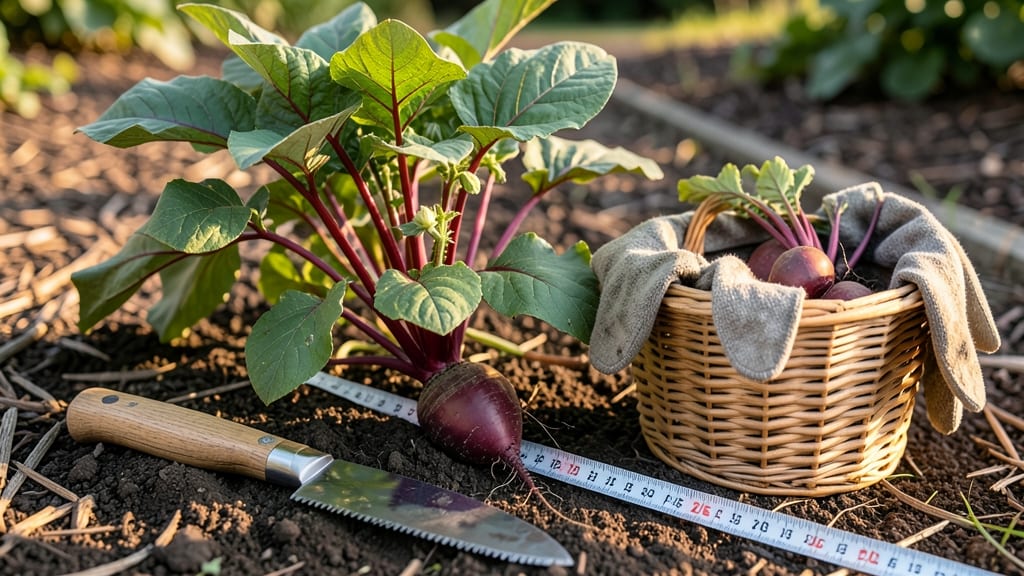
Harvesting red beets at the right time ensures tender, sweet roots—before they turn tough or bolt.
Picture this: you’ve nurtured your 🍠 red beets all season, and now the leaves are shifting from vibrant green to a deep reddish-purple. That’s your cue—the perfect moment to pull them before they become woody or crack in the heat.
Timing matters even more in Zone 6a, where spring and fall harvests demand extra attention. Too early, and you’ll get undersized roots; too late, and you’ll regret the tough texture. I’ll show you how to read the leaves, check root size, and avoid common mistakes that ruin the harvest.
By the end, you’ll know exactly when to dig—whether you’re aiming for baby beets or full-sized roots—plus how to store them for maximum freshness. Let’s get started!


How to identify the perfect harvest time using foliage color & growth stages
Harvesting red beets at the right time ensures sweet, tender roots packed with flavor. The key lies in watching for foliage color shifts and root growth stages. When leaves develop reddish-purple hues and reach 4-6 inches, it’s time to check the roots.
This visual guide breaks down exactly what to look for before pulling them from the soil.
Start by examining the leaf color—healthy red beets show deep green leaves transitioning to bronze or purple edges. This color change signals the roots are nearing maturity. Pair this with leaf size, as mature leaves should measure 4-6 inches long. Smaller leaves mean the roots aren’t ready yet.
Next, gently brush away the soil to check the root diameter. Ideal harvest size is 1-3 inches—any larger, and the roots become tough and fibrous. Press your thumb against the root; if it feels firm but not hard, it’s ready.
For baby beets, harvest when roots reach 1 inch for a sweeter, smaller variety.
Timing is everything—harvest red beets when soil temperatures stay between 50-75°F. Early morning harvests prevent stress on the plant. If you wait too long, roots develop a woody texture and bitter flavor.
For fall harvests, aim to pull beets before the first frost hits, typically by mid-October in most climates.
Don’t ignore the leaf health—wilting or yellowing leaves signal over-maturity. If leaves start to curl or drop, the roots are past their prime. For Detroit Dark Red varieties, watch for deep red streaks in the root, indicating peak sweetness.
Harvest these when the color is vibrant and consistent throughout.
To test for readiness without digging, use the "thumb test". Gently press your thumb into the soil near the plant. If the root resists slightly but doesn’t feel rock-hard, it’s harvest-ready.
This method works best in loose, well-drained soil. Avoid harvesting in heavy clay, as it can distort root shapes and sizes.
Seasonal cues also matter—spring-planted beets should be harvested 60-75 days after sowing, while fall-planted varieties mature faster in cooler weather. In hot climates, beets may bolt prematurely, so prioritize shade and consistent moisture. For container gardening, harvest when roots fill the pot’s depth, usually around 2-3 inches.
Once you’ve confirmed the perfect harvest time, use a sharp knife or fork to loosen the soil around the root. Grip the beet’s greens and pull gently—never twist, as this can damage nearby roots.
Rinse off excess dirt, but avoid washing off the root skin, which protects freshness during storage.
Store harvested beets in a cool, dark place (like a root cellar) for up to 3 months. For immediate use, trim the greens and enjoy the sweet, tender roots in salads, roasts, or soups.
By mastering these foliage and root cues, you’ll never miss the perfect harvest window again! 🍂
Red beet root size chart: ideal harvest dimensions by variety (baby, standard, large)
Not all beet varieties reach the same size at harvest, and knowing the ideal root diameter for each type ensures you get the best flavor and texture. Baby beets are sweetest when harvested small, while standard varieties develop deeper flavors as they mature.
Let’s break down the perfect harvest dimensions by variety to avoid tough, woody roots.
Harvest timing also depends on your climate and growing season. In cooler regions, beets may take longer to reach maturity, while hot summers can accelerate growth. Always check for leaf color changes—healthy, deep green leaves signal continued growth, while yellowing or wilting indicates it’s time to harvest.
If you’re growing baby beets, harvest them when roots reach about 1 inch in diameter. These tiny roots are incredibly sweet and perfect for salads or pickling. Use a fork or trowel to gently loosen the soil around the root before pulling to avoid damaging nearby plants.
For standard varieties, wait until roots reach 2-3 inches in diameter. At this stage, the skin will feel slightly firm when pressed, and the leaves may start showing signs of yellowing at the edges. This is the sweet spot for roasting, boiling, or grilling.
Some gardeners prefer larger, mature beets for storage or long-term cooking. These can grow up to 4 inches in diameter, but be cautious—they can become woody if left too long in the ground. Always prioritize harvesting before the first frost in your area to ensure the best flavor.
Pro tip: To check for doneness without digging, gently tug on the outer leaves. If they pull away easily, the root is likely ready for harvest. This method works especially well for loose, sandy soils where roots are easier to assess.