
Vegetables
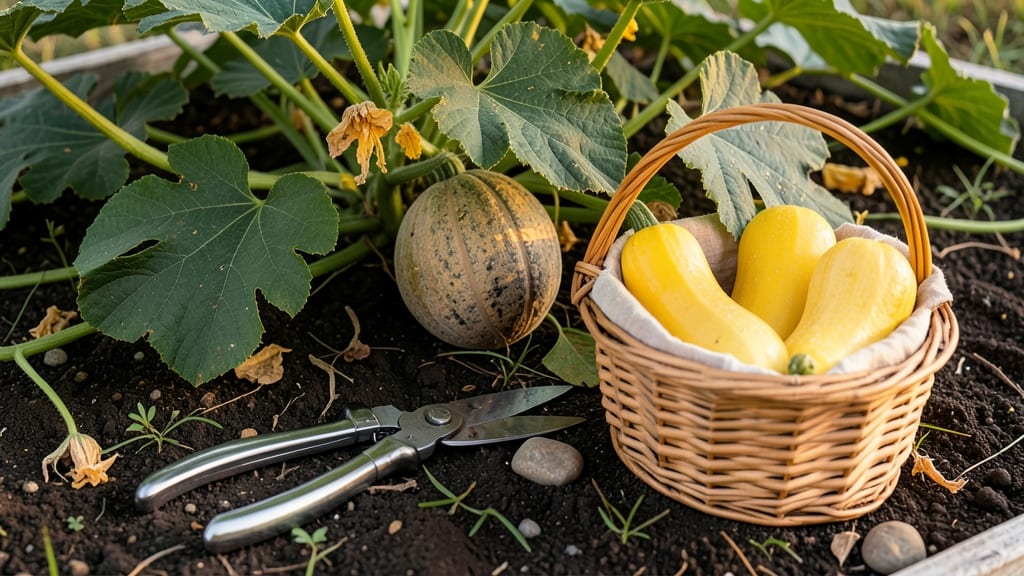
Harvesting yellow summer squash at the right time means the difference between a tender, flavorful 🍆 and a tough, seedy disappointment.
Picture this: you’ve nurtured your plants all season, and now the moment is here—how do you know when to pick? One wrong move and you’re left with squash that’s either too small and bland or too woody to enjoy.
The secret lies in a simple thumbprint test and a few other easy-to-spot cues.
Timing matters most from July through September, when your plants are in peak production. But even in Zone 6a, a late harvest can turn your bounty into a bitter memory. Below, I’ll walk you through the exact signs to watch for—so you never miss the perfect window again.
You’ll learn how to check for firmness, size, and color, plus when to avoid picking to keep your harvest fresh and delicious. Ready to master the art of harvesting?


The thumbprint test & 3 key signs your yellow summer squash is ready
There’s nothing worse than biting into a yellow summer squash that’s tough, seedy, or bland—all because you picked it too late (or too early!). The good news? With the simple thumbprint test and a few other visual cues, you’ll never guess again.
This method works for zucchini, too, but summer squash has its own unique signals to watch for.
Timing your harvest isn’t just about size—it’s about texture, color, and stem readiness. A squash that’s too small will taste watery, while one left too long becomes fibrous and bitter.
The key is catching it at that sweet spot where the skin is firm but the flesh is still tender. Let’s break down the foolproof way to tell when your plants are begging to be harvested.
-
1. The Thumbprint Test
Press your thumbnail into the squash’s skin. If it leaves a slight dent but doesn’t puncture, it’s ready! A deep indentation means it’s too soft; no dent means it’s too hard. -
2. Size Matters (6-8 Inches)
Aim for 6-8 inches long and 2-3 inches wide. Smaller squash is underdeveloped; larger ones are overripe. Measure from blossom end to tip for consistency. -
3. Stem Separation Test
Gently twist the squash near its stem. If the stem snaps cleanly (not tears), it’s ready. A stubborn stem means it’s not fully matured yet. -
Bonus: Color & Shine
Look for a deep, even yellow with a slight glossy sheen. Dull spots or green streaks mean it needs more time.
Pro tip: Harvest in the morning when temperatures are cooler. This ensures the squash stays crisp longer and retains its sweetness. Use a sharp knife or pruners to avoid damaging the vine—never pull the squash off, as this can harm the plant.
If you’re growing multiple varieties, like yellow crookneck or straightneck squash, the thumbprint test works for all. However, crooknecks often mature slightly faster, so check them every 2-3 days once they’re near size. Overlooking this can lead to a sudden influx of oversized squash!
One common mistake? Waiting until the squash turns orange or brown. By then, the flesh is often woody and seedy. Yellow summer squash should stay bright and vibrant—never let it develop a dull, mature hue.
Think of it like a golden bell pepper: you want it at its peak color, not past its prime.
For container gardeners, space is limited, so prioritize harvesting smaller squash (around 5-6 inches) to encourage more production. Larger squash in pots can stress the plant, reducing future yields. If you’re growing bush varieties, this is especially critical—they’re less forgiving when overcrowded.
Finally, don’t ignore the blossom end (the end opposite the stem). When it turns from green to brownish-yellow, that’s another green light to harvest. This change signals the squash has fully matured and is ready to eat. Save any squash with green blossom ends—they’ll never reach peak flavor.
With these signs in mind, you’ll enjoy crisp, sweet summer squash all season long. And if you’re lucky enough to have a bounty, share the harvest! Few things are as rewarding as a homegrown squash picked at just the right moment. 🌱
Harvesting mistakes that ruin your squash: when to avoid picking
Harvesting your yellow summer squash at the wrong time can turn your garden's bounty into a culinary disappointment. One of the biggest mistakes is picking too early—when the squash is still under 6 inches—resulting in bland, watery flesh that lacks the sweetness and texture you crave.
On the flip side, leaving them on the vine too long transforms tender squash into tough, seedy, and woody nightmares.
I’ve learned the hard way that climate and soil fertility play huge roles in harvest timing. In hot, dry summers, squash matures faster, while cooler, wetter conditions slow down the process.
Even the variety you grow—like 'Straight Eight' or 'Golden Zucchini'—can affect when they’re ready to pick. Paying attention to these factors helps you adjust your harvest schedule for the best results.
⚠️ When NOT to Harvest Yellow Summer Squash
- Too Early: < 6 inches long → bland, watery, seedy
- Too Late: > 8 inches, woody texture → tough, bitter
- Green Stem: Still attached → not fully matured
- Soft Skin: Yields to thumb pressure → underripe
Pro Tip: If the squash feels spongy or the skin is easily pierced, it’s not ready. Wait 1-2 more days!
Another common mistake is harvesting when the squash is overripe. Look for signs like a dull, uneven color or a stem that snaps instead of twisting off cleanly. Overripe squash not only loses flavor but also attracts pests like squash bugs and vine borers, which can devastate your plants.
Always aim for a firm, glossy skin and a stem that twists easily—this is your cue for perfect timing.
Adjusting for growing conditions is key. In rich, fertile soil, squash may mature faster, so check them daily during peak harvest months (July-September). If your soil is poor or sandy, growth slows down, and you’ll need to extend your harvest window.
Regularly feeding your plants with a balanced fertilizer (10-10-10) every 4-6 weeks can help maintain steady growth and consistent harvest quality.
Don’t fall into the trap of harvesting only the largest squash. Smaller, 6-8 inch squash are often more tender and flavorful. Overlooking these can lead to uneven ripening and reduced yields.
I recommend harvesting every 2-3 days during peak production to encourage more flowers—and more squash—to develop. This keeps your plants productive and your harvest fresh.
Finally, avoid picking squash after a heavy rain or when they’re wet. Moisture can accelerate rot and attract diseases like powdery mildew. Always harvest in the morning when the squash is cool and dry, and use a sharp knife or pruners to cut the stem cleanly.
This not only preserves quality but also reduces damage to the plant, ensuring a longer harvest season.
By avoiding these common mistakes and paying attention to your squash’s cues, you’ll enjoy a bountiful harvest of tender, flavorful yellow summer squash all season long. Happy harvesting! 🌱