
How To
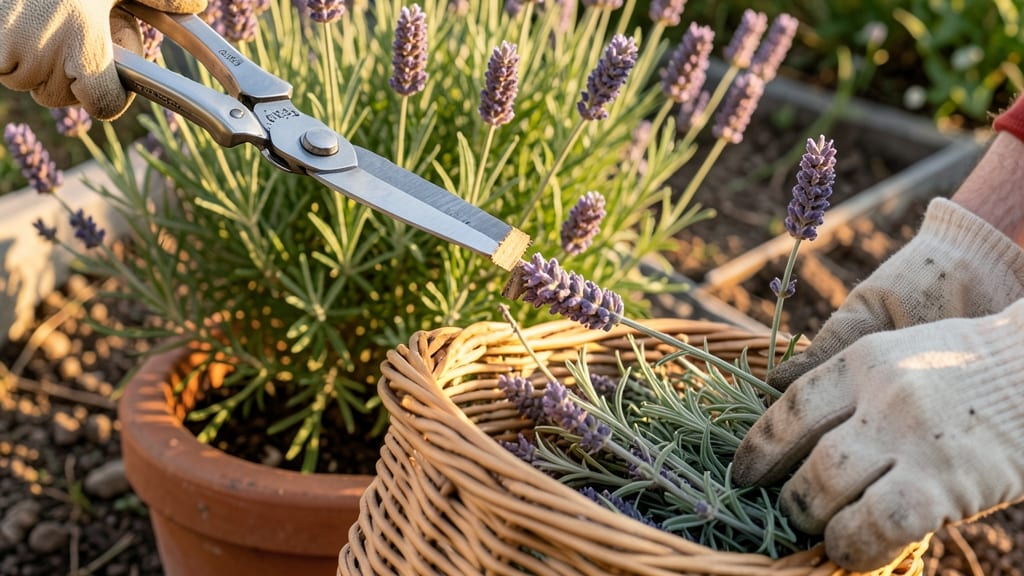
Knowing the best time to harvest lavender means the difference between fragrant bundles and bitter, oil-depleted stems 🌿 — and the key is all in the bud.
Picture this: you’ve spent months nurturing your lavender, and now it’s time to reap the rewards. But how do you know when those deep purple buds are ready to pick? Cutting too early means weak fragrance, while waiting too long drains the plant’s essential oils.
The sweet spot? When the buds are swollen but haven’t yet opened—just like the perfect moment to enjoy a summer breeze.
Timing isn’t just about the season—it’s also about the day. Early morning harvests preserve the most oil and aroma, and regional climate plays a role too. In Zone 6a, that usually means mid-to-late summer, but a few degrees or a late frost can shift the window.
Below, I’ll walk you through the exact visual and tactile cues to check, plus how to handle your harvest for the best results.
Ready to unlock the secret to lavender that smells like a Provençal meadow? Let’s dive into the signs, tools, and tricks that make every harvest your best yet.

How to identify the optimal lavender bud stage for harvesting
Harvesting lavender at the right bud stage is the secret to unlocking its peak fragrance and essential oil potential. If you cut too early, you’ll miss the rich, aromatic compounds that develop as buds mature.
Cut too late, and the flower oils degrade, leaving you with bitter, less fragrant stems. The key lies in mastering visual and tactile cues that signal readiness.
Lavender buds follow a predictable growth cycle, and understanding this cycle is your first step to perfect timing. Most varieties—like English lavender or French lavender—reach their harvest window when 70-80% of buds are swollen but still closed.
This stage ensures the highest concentration of linalool and linalyl acetate, the compounds responsible for lavender’s signature scent and therapeutic properties.
Visual cues are your primary guide. Look for deep purple-blue buds that appear plump and slightly elongated. The buds should feel firm to the touch, with a woody texture developing along the stems. Avoid harvesting when buds are still tightly closed or pale in color—these signs indicate the plant isn’t ready yet. The ideal bud is just about to burst open, like a tightly wrapped gift ready to reveal its contents.
| Stage | Visual Cues | Tactile Check | Harvest Readiness |
|---|---|---|---|
| Early Bud | Tightly closed, small, pale green | Soft stems, no resin | Not ready |
| Mid Bud | Swollen, deep purple-blue, 70% open | Firm stems, slight resin | Optimal harvest |
| Late Bud | Fully open, pale, wilting | Soft stems, no resin | Too late |
Don’t rely solely on visuals—tactile checks are equally important. Run your fingers along the stems and buds. Ready-to-harvest lavender will have a slightly sticky resin on the stems, a natural protective coating that indicates maturity.
If the stems feel soft or green, the plant isn’t ready. Conversely, if the buds are dry or crumbly, you’ve missed the window.
Another pro tip: crush a bud between your fingers. If it releases a strong, sweet aroma, it’s harvest-ready. A weak or grassy smell means the buds aren’t fully developed.
This simple test saves you from harvesting subpar lavender. I always test a few buds from different parts of the plant to ensure consistency—some stems mature faster than others!
Pay attention to the bud cluster shape as well. At the perfect stage, the buds form a dense, rounded head that looks like a tiny, purple pom-pom. If the clusters are spread out or uneven, the plant may be stressed or unevenly matured.
Uneven maturity can happen if your lavender isn’t getting consistent sunlight or if it’s overcrowded. In these cases, harvest the ready clusters first and leave the rest to mature.
Regional variations can also affect timing. In warmer climates like USDA Zone 9 or 10, lavender may bloom earlier, sometimes as early as late spring. In cooler zones like Zone 5 or 6, the harvest window often shifts to mid-to-late summer.
Always align your harvest with your local last frost date and average temperatures. Lavender thrives in 60-80°F conditions, so avoid harvesting during heatwaves or cold snaps.
Once you’ve identified the perfect buds, act quickly. Use clean, sharp pruners or shears to cut stems at a 45-degree angle, about 6 inches below the flower head. This encourages bushier growth and prevents disease.
Bundle the cuttings and hang them upside down in a dry, dark, well-ventilated space for 2-3 weeks to dry. Proper drying preserves the aroma and oil content, ensuring your lavender stays fragrant for months.
Remember, lavender is a perennial, and harvesting at the right stage doesn’t just improve your current yield—it encourages future growth. By following these cues, you’ll train your eye to spot the ideal harvest moment every time, turning your garden into a fragrant treasure trove. Happy harvesting! 🌸
Best time of day and season for harvesting lavender
Timing your lavender harvest is everything—cut too early, and you lose essential oil potency; wait too long, and the buds turn bitter. The best time of day and season directly impact your lavender's fragrance and oil content.
For peak results, focus on cool mornings and early summer blooms, but regional climate plays a big role too.
Lavender thrives in warm, dry climates, but even in hot zones, harvesting at the wrong time can ruin your harvest. The ideal temperature for cutting is between 50°F and 70°F—this preserves the plant's natural oils.
Humidity is another silent killer: high humidity dilutes oils and encourages mold, so aim for dry, sunny days after any morning dew has evaporated.
🌿 Numbered Highlights for Perfect Lavender Harvests
- 🌞 1. Early Morning (5-7 AM) – Harvest before 9 AM to avoid heat stress and preserve oil content. Dew-free stems are ideal.
- 🌡️ 2. Temperature Check (50°F-70°F) – Avoid midday heat (above 75°F) or cool evenings (below 45°F), which weaken the plant.
- 🌱 3. Seasonal Window (June-July) – In USDA Zone 6a, harvest mid-to-late summer when buds are swollen but unopened. Southern climates may extend to August.
- 🌧️ 4. Humidity Control (<30%) – Wait for dry weather (no rain in 24 hours) to prevent mold. Use a hygrometer if humidity is high.
- ⏰ 5. Regional Adjustments – Coastal areas (high humidity) harvest earlier (May-June); desert zones (low humidity) can go until September.
Seasonal timing matters just as much as daily conditions. In USDA Zone 6a, I always harvest between June and July when lavender buds are fully formed but haven’t yet opened. This ensures the highest linalool content (the compound responsible for lavender’s signature scent).
If you’re in a warmer climate, like California or the Mediterranean, you might extend harvesting into early August, but watch for bud opening.
For cooler climates, like the Pacific Northwest or northern Europe, harvest earlier—late May to June—to avoid the first frost.
I’ve learned the hard way that waiting too late in the season can leave your lavender vulnerable to early frosts, which turn buds mushy and ruin your harvest. Always check your local first frost date and plan accordingly.
Post-harvest care starts in the field. Immediately after cutting, bundle stems and hang them upside down in a dry, shaded, and well-ventilated space. This allows the stems to dry slowly (2-3 weeks), preserving their aromatic oils.
If you rush drying with heat, you’ll lose up to 30% of the essential oil—a costly mistake for any lavender lover.
Pro tip: Harvest every 6-8 weeks during peak season to encourage new growth and prevent woody stems. Over-harvesting weakens the plant, so leave at least 1/3 of the stems uncut. With the right timing, your lavender will reward you with fragrant, oil-rich blooms year after year. 🌸