
How To
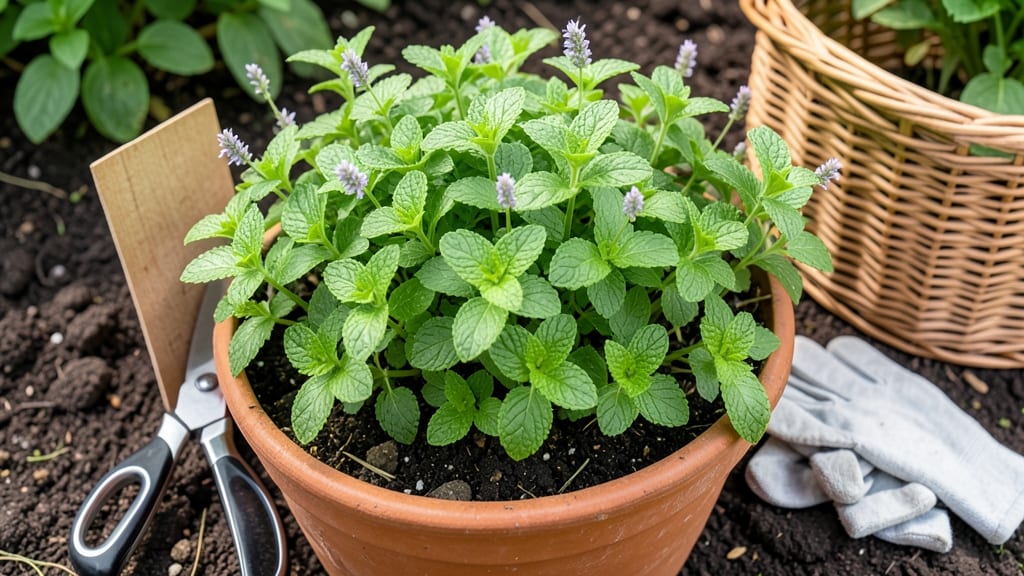
When to harvest mint for maximum flavor: the 3 key signs to watch
Harvesting mint at the right time transforms your garden into a flavor factory—bright green leaves packed with the bold, refreshing taste you crave. But timing is everything: one wrong cut and you’ll sacrifice flavor, growth, or even your plant’s health.
The best way to harvest mint isn’t about waiting for a specific date, but watching for three key visual cues that tell you your plant is ready.
Mint plants mature quickly, but rushing harvests can weaken your plant and reduce future yields. Instead, focus on these three critical signs that your mint is ready: stem height, leaf color, and stem flexibility.
When all three align, you’ve found the perfect moment to snip for peak flavor and plant vitality.
⚠️ NON-NEGOTIABLE: Never harvest mint after it starts flowering. Once those tiny buds appear, the plant’s energy shifts from leaf production to seed creation, and the leaves become bitter and less aromatic. The best way to harvest mint is before flowering—this ensures both flavor and future growth.
The 3 Key Signs Your Mint Is Ready to Harvest
- Stems reach 6-8 inches tall with 4-6 mature leaves per stem.
- Leaves are vibrant green, lush, and aromatic when crushed.
- Stems bend slightly (not snap) when gently pressed—signs of flexible growth.
Your mint plant’s stem height is the first clue. Aim for stems that are 6-8 inches tall—this indicates the plant has reached its prime growth stage. At this height, the leaves are fully developed and packed with menthol oils, the compounds that give mint its signature punch.
If you harvest too early, the leaves will be small and underdeveloped, lacking that bold flavor.
Next, check the leaf color. Ready-to-harvest mint leaves should be a bright, vibrant green, not pale or yellowing. A quick test: crush a leaf between your fingers. If it releases a strong, fresh aroma, your mint is ready.
Dull or weak smells mean the plant isn’t at peak flavor yet. Yellowing leaves or brown edges signal overwatering or stress, which can also dull the taste.
The stem flexibility test is often overlooked but critical. Gently press a stem between your thumb and forefinger. If it bends slightly (like a fresh asparagus spear) rather than snapping, your mint is at its harvest sweet spot.
This flexibility indicates the plant has developed strong yet tender stems, perfect for cutting. If stems snap easily, they’re either too young or overmature.
Seasonal timing matters too. In USDA Zone 6a, mint thrives year-round in mild climates, but flavor peaks during late spring to early fall (June through September). For container growers, harvest every 4-6 weeks to encourage bushier growth.
If you’re growing mint in-ground, you can harvest more frequently—every 3-4 weeks—as long as you leave at least 6 healthy stems to keep the plant thriving.
One common mistake is over-harvesting, which weakens the plant and reduces future yields. Never cut more than one-third of the plant at a time, and always leave at least 6-8 inches of stem above the soil.
This ensures the plant has enough energy to regrow. If you strip the plant bare, it may struggle to recover or even die back entirely.
To avoid bitter mint, always harvest before flowering. Flower buds signal the end of the flavor window. If you miss this, prune the flowers immediately—they won’t turn into edible leaves, but removing them redirects the plant’s energy back to leaf production.
This trick works especially well for peppermint and spearmint, which can become woody and less flavorful if left to flower.
For year-round growers in warmer climates, mint can be harvested monthly with proper care. In cooler months, reduce harvesting to every 6-8 weeks and focus on protecting the plant from frost.
A simple mulch layer or row cover can extend your harvest season by weeks, keeping your mint lush and flavorful even in winter.
Remember, the best way to harvest mint is consistently. Regular harvesting—not just when you need it—encourages bushier growth and more abundant leaves. With these three signs in mind, you’ll always know exactly when to snip for the freshest, most flavorful mint in your garden. 🌿
Step-by-step mint harvesting techniques: pruning vs. cutting for different growth goals
Harvesting mint isn’t just about snipping leaves—it’s about strategic cutting to shape your plant’s future. The wrong technique can leave your mint leggy, sparse, or even flower-bound. I’ve learned that pruning for bushiness differs completely from cutting for leaf production, and choosing the right method depends on your goals.
Let’s break down when and how to use each approach to keep your mint thriving.
The key difference lies in where and how you cut. Pruning encourages lateral growth by trimming just above a leaf node, while cutting focuses on leaf yield by removing entire stems.
Both methods require sharp tools—clean pruners or scissors—to prevent disease. I always sanitize my tools with rubbing alcohol before harvesting to avoid spreading pathogens between cuts.
| Method | Goal | Cutting Technique | Best For | Regrowth Time |
|---|---|---|---|---|
| Pruning | Bushier growth | Cut just above a leaf node at 45-degree angle | Establishing plants, winter prep | 7-10 days |
| Cutting | Leaf production | Remove entire stems at base or 1/3 from top | Regular harvests, pesto, teas | 3-5 days |
For pruning to encourage bushiness, focus on the outer stems first. This redirects energy toward new growth at the plant’s center. I always make my cuts at a 45-degree angle about 1/4 inch above a leaf node—this prevents water from pooling and causing rot.
After pruning, I trim the stems to 3-4 inches and place them in water to revive for propagation or immediate use.
When cutting for leaf production, aim to remove 1/3 of the plant’s height at a time. This prevents shock and maintains the plant’s energy balance. I never take more than half the stems in one session, especially in hot weather.
After cutting, I immediately place the stems in ice water for 10 minutes to revive wilted leaves and preserve their vibrant color and flavor.
Reviving wilted stems is easier than you think. After harvesting, trim the bottom 1 inch of each stem and place them in a jar of fresh water for 30 minutes to 1 hour. This hydrates the cells and restores crispness.
For long-term storage, I bundle stems with a rubber band and hang them upside down in a dark, dry place for 1-2 weeks to dry completely for later use.
Remember, over-harvesting weakens your mint plant. If you notice yellowing leaves or stunted growth after cutting, your plant needs time to recover. I limit myself to one major harvest every 4-6 weeks during peak growing season, adjusting based on how quickly new growth appears.
With the right technique, your mint will reward you with lush, flavorful leaves all season long.