
Vegetables
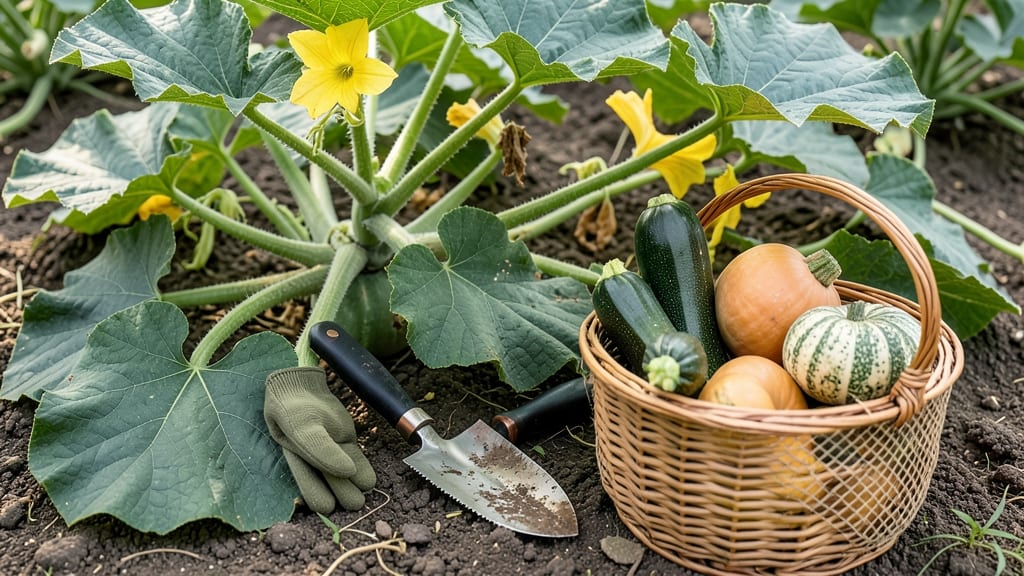
Harvesting squash at the right time turns a decent crop into a flavor-packed feast, and the secret lies in knowing when stems snap—not twist.
Picture this: you’re checking your 🎃 plants in late summer, and the squash looks ready, but you’re not sure. One wrong cut, and you could end up with bland fruit or wasted effort.
The truth is, most gardeners miss the sweet spot by days—or even weeks—because they don’t know the telltale signs of peak ripeness.
In this guide, I’ll walk you through the exact moment to harvest summer, winter, and pumpkin varieties, plus how to test stems like a pro. You’ll learn how climate and variety affect timing, and why a simple twist test could save your harvest from going to waste.
By the end, you’ll confidently pick squash at its sweetest, store it longer, and enjoy that garden-fresh taste all season long.
How to test squash stem ripeness using the snap-and-twist method
The snap-and-twist method is the gold standard for determining when squash is ready to harvest. Unlike guessing by size or color, this technique reveals the internal maturity of the fruit.
Summer squash like zucchini and yellow squash need a quick snap, while winter varieties like butternut or acorn require a gentle twist. Mastering this skill means peak flavor and texture every time.
Start by selecting a mature-looking squash—one that’s reached its expected size for the variety. For zucchini, that’s typically 6-8 inches long, while butternut squash should be 8-10 inches in length.
Gently hold the fruit with one hand and grasp the stem with the other. The way it responds tells you everything you need to know.
For summer squash, the stem should snap cleanly with minimal resistance. If it breaks easily and the flesh near the stem is pale green or white, it’s ready. Winter squash, however, require a twist-and-pull motion—the stem should separate with a slight resistance, indicating full maturity and sweetness development.
| Squash Type | Stem Test Method | Ideal Size | Flesh Color | Skin Texture |
|---|---|---|---|---|
| Summer Squash (Zucchini, Yellow Squash) | Snap cleanly with minimal force | 6-8 inches long | Pale green to white near stem | Dull, slightly waxy |
| Winter Squash (Butternut, Acorn, Pumpkins) | Twist-and-pull with slight resistance | 8-12 inches long/diameter | Deep orange, tan, or cream | Hard, matte, no shine |
| Overripe Squash (Any Type) | Stem tears or pulls off with no resistance | Larger than expected | Dull with soft spots | Wrinkled or mushy |
Pay close attention to the flesh color near the stem—this is your best indicator of ripeness. For zucchini, the flesh should be pale green or nearly white, signaling peak tenderness.
In contrast, winter squash like butternut should have a deep orange hue near the stem, a sign of full sugar development.
Size matters, but don’t rely on it alone. A 6-inch zucchini might be perfect, while an 8-inch one could be overripe if the stem doesn’t snap.
Always combine the stem test with a visual check: look for a dull, matte skin (not shiny) and a firm texture when pressed gently with your thumb.
Harvesting at the right time isn’t just about flavor—it’s about preventing pests and diseases. Overripe squash attract squash vine borers and develop soft rot faster. By using the snap-and-twist method, you’ll avoid these issues and ensure your harvest stays fresh and vibrant for weeks.
Pro tip: Test a few squash from the same vine to account for variability. Some plants produce fruit that ripens faster than others, even in the same batch. Keep a small harvest journal to track which stems snap first—this helps you predict future harvests more accurately.
If you’re growing pumpkins for Halloween, aim for a full twist with no snap—this means the rind has fully hardened, making them ideal for carving. For eating, harvest them slightly earlier when the stem separates with a gentle twist but still offers slight resistance.
Remember, the time of day can affect stem firmness. Test squash in the morning when temperatures are cooler—the stems are firmer and easier to assess accurately. Avoid testing after a hot afternoon, as heat can make stems more pliable and give false results.
Once you master this method, you’ll never guess again. The snap-and-twist test is your ticket to homegrown squash perfection, whether you’re whipping up zucchini bread or roasting butternut squash for a cozy dinner. Happy harvesting! 🎃
Best practices for harvesting squash to maximize yield and flavor
Timing your squash harvest correctly can mean the difference between sweet, tender fruit and tough, seedy disappointment. Most gardeners struggle with when to pick—especially since squash ripens at different rates depending on whether it's a summer or winter variety.
The key is consistency: harvest summer squash like zucchini every 3-5 days once they reach 6-8 inches, while winter squash like butternut need full maturity before picking.
For both types, morning harvests work best because the fruit is cooler and firmer, reducing bruising. Always use a sharp pruning shear or knife to cut stems—never tear them—because damaged stems invite rot and pests. This small detail preserves the plant's health and your future harvests.
Storage strategies vary dramatically between summer and winter squash. Summer varieties like zucchini last only 3-5 days in the fridge—wrap them in paper towels to absorb moisture and prevent spoilage. Winter squash, however, thrives when cured in warm, dry conditions for 10 days before storage.
Place them in a sunny spot (not direct sunlight) to harden the skin, then store in a cool, dark place where they'll keep for 2-6 months.
When dealing with overripe squash, act fast. For summer varieties, slice and blanch immediately to preserve texture, then freeze. Winter squash can be roasted or turned into soups before it becomes inedible.
The key is to use it within 24 hours of noticing soft spots—don't let it sit on the vine hoping for improvement.
Seasonal timing matters too. In warmer climates (Zones 8-10), squash may produce year-round, but peak harvests occur spring through fall. Cooler regions (Zones 4-6) should aim for late June through August before early frosts.
Always monitor vine health: yellowing leaves or wilting flowers signal stress, which can stall ripening.
Pro tip: Mark your calendar for 30-45 days after flowering—this is when most squash varieties reach harvest readiness. For bush varieties, this window narrows to 25-35 days.
Keep a small notebook by your garden to track which plants produce first, so you're never caught off guard by a sudden squash surge.
With these practices, you'll transform your squash harvest from hit-or-miss to consistently delicious, whether you're serving fresh zucchini or storing butternut squash for winter baking. The secret? Staying proactive, not reactive—your taste buds will thank you. 🎃