
Vegetables
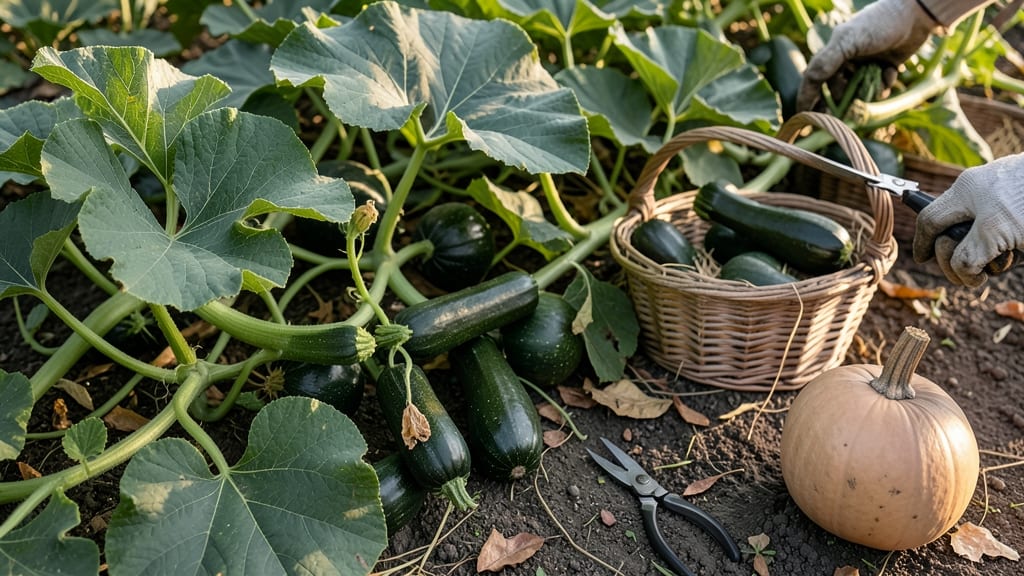
Harvesting squash at the right time means the difference between tender, flavorful fruit and tough, bitter disappointment — and the secret lies in knowing when to pick it.
Picture this: you’ve spent weeks tending to your 🎃 plants, only to cut into a squash that’s rock-hard or still growing on the vine. That’s why timing matters more than you think. One wrong move, and you’re left with wasted effort—or worse, a harvest that’s past its prime.
In this guide, I’ll walk you through the 3 key signs your squash is ready, from skin texture to color changes, so you never miss the perfect moment.
Whether you’re growing zucchini, butternut, or pumpkins, these cues will help you harvest at peak flavor and avoid common mistakes that ruin the crop.
You’ll also learn how climate and variety play a role, plus how to store your squash properly after the harvest. By the end, you’ll be picking squash like a pro—no guesswork, just great-tasting results.
3 Key visual signs your squash is ready to harvest
Harvesting squash at the right moment transforms your garden effort into a kitchen staple—whether it's tender zucchini for stir-fries or sweet butternut squash for roasting. The difference between perfect ripeness and overripe disappointment often comes down to three visual cues that every gardener should master.
Ignoring these signs can lead to woody flesh, bitter flavors, or even wasted plants that never reach their full potential.
Summer squash like zucchini and yellow squash need to be harvested young and tender, while winter varieties such as pumpkins and acorn squash mature longer with thicker skins. Understanding these differences is key to avoiding the frustration of overgrown squash that takes over your garden bed.
Let’s break down the three foolproof indicators that guarantee you’re harvesting at peak ripeness.
-
1. Skin Color
Deep, uniform color signals ripeness—zucchini turns matte green, yellow squash brightens to golden, and butternut develops creamy orange hues. -
2. Size Maturity
Check your variety’s ideal size: zucchini at 6-8 inches, pumpkins at full expected diameter (e.g., 10-12 inches for small varieties). Overgrowth = tough flesh. -
3. Stem Changes
A dry, woody stem means it’s time to harvest. If the stem snaps easily or stays green, wait 2-3 more days for winter squash.
Let’s start with the most obvious sign: skin color. For summer squash, the skin should shift from pale to a deep, matte finish.
A zucchini ready for harvest will have a dull green exterior, not the shiny green of an immature fruit. Yellow squash, on the other hand, should turn a vibrant golden hue—think of a ripe banana’s color intensity.
For winter squash, like butternut or acorn, the skin will develop a rich orange or tan tone, often with a slightly waxy texture.
Next, pay attention to the size of the squash. Each variety has a target size range for optimal flavor and texture. For example, zucchini should be harvested between 6 and 8 inches long.
If you let them grow much larger, the flesh becomes fibrous and seedy, ruining their tender appeal. Pumpkins, however, need more time—they’re ready when they reach their full expected diameter, which varies by variety (e.g., 10-12 inches for small pumpkins, 18+ inches for giant types).
One of the most reliable (but often overlooked) signs is the condition of the stem. When squash is ready to harvest, the stem where it attaches to the vine will harden and dry out. You’ll notice it turning from green to a wooden brown.
If you gently twist the stem, it should snap cleanly rather than tear the fruit. This indicates the squash has fully matured and is ready to be picked. For winter squash, this change is especially critical—waiting too long can lead to overly hard rinds that are difficult to cut.
Pro tip: Use the thumbnail test for summer squash. Press your thumbnail into the skin—if it leaves a deep indent, the squash is still too soft and needs more time. If your thumbnail barely makes a mark, it’s ready.
For winter squash, the skin should be so hard that pressing with your thumbnail doesn’t leave any impression at all. This hardness is a sign of full maturity and ensures the squash will store well for months.
Regional climate plays a role in timing, too. In hotter climates, squash may ripen faster, while cooler regions might need an extra week or two.
For example, zucchini in Zone 9 could be ready in just 45 days, while in Zone 5, it might take closer to 60 days. Always adjust your expectations based on your local growing season and weather patterns.
If you’re unsure, err on the side of harvesting slightly early—squash continues to ripen off the vine for a day or two after picking.
Finally, don’t ignore the shape and texture of the squash. A ripe squash should feel heavy for its size, indicating it’s filled out with flesh and seeds. The surface should be smooth and unblemished, without soft spots or signs of rot.
If you notice any wrinkling or shrinking, it’s a sign the squash has been on the vine too long and is past its prime. Harvesting at the right time ensures you get the best flavor and texture, whether you’re planning to roast, bake, or spiralize your squash.
Mastering these three visual cues—color, size, and stem condition—will turn your squash harvest from a gamble into a reliable success. Next time you’re in your garden, take a moment to examine your squash closely.
The difference between a perfectly ripe squash and one that’s past its peak is often just a few days of patience. Happy harvesting! 🎃
How to avoid common harvest mistakes that waste your squash
Harvesting squash at the wrong stage can turn your hard work into tough, stringy, or flavorless produce. Even experienced gardeners sometimes fall into traps like waiting too long or cutting too early, which ruins the harvest.
The key is recognizing subtle cues that tell you when your squash is at its peak—before overripening sets in.
One of the biggest mistakes I see is assuming bigger always means better. Many gardeners wait until squash reach massive sizes, only to discover they’ve become woody and inedible. Others harvest too soon, resulting in underdeveloped seeds and bland flesh. Both extremes waste your garden’s potential.
⚠️ Don’t Harvest When...
- Skin yields to gentle thumbnail pressure (not ready)
- Color is patchy or pale (still developing)
- Stem is green and flexible (fruit isn’t mature)
These signs mean your squash needs 3-7 more days to reach peak ripeness. Patience pays off with sweeter, more tender fruit!
Another critical error is using dull tools when harvesting. A sharp knife or pruners makes clean cuts that heal faster, reducing rot risk. I’ve learned the hard way that jagged edges can leave wounds where bacteria enters, shortening shelf life. Always disinfect your tools with rubbing alcohol before each use.
Storage mistakes are just as damaging. Many gardeners assume all squash can be stored the same way, but summer squash (like zucchini) and winter squash (like butternut) have different needs.
Summer varieties spoil quickly—keep them in the fridge for no more than a week, while winter squash thrives in cool, dark conditions for months.
To extend shelf life, let harvested squash cure in warm, dry conditions for 10 days before storing. This hardens the skin and concentrates sugars. For example, acorn squash develops a glossy, papery skin when cured properly, signaling it’s ready for long-term storage.
Skip this step, and you’ll end up with soft, shriveled squash in weeks.
Finally, don’t ignore the seasonal clock. In hot climates, squash ripens faster—sometimes in as little as 45 days. In cooler regions, it may take up to 90 days.
Check your variety’s days-to-maturity label and adjust your harvesting schedule accordingly. A little planning prevents the heartbreak of missed harvests.